
How Acupuncture May Support Brain Chemistry to Reduce Stress and Anxiety Naturally
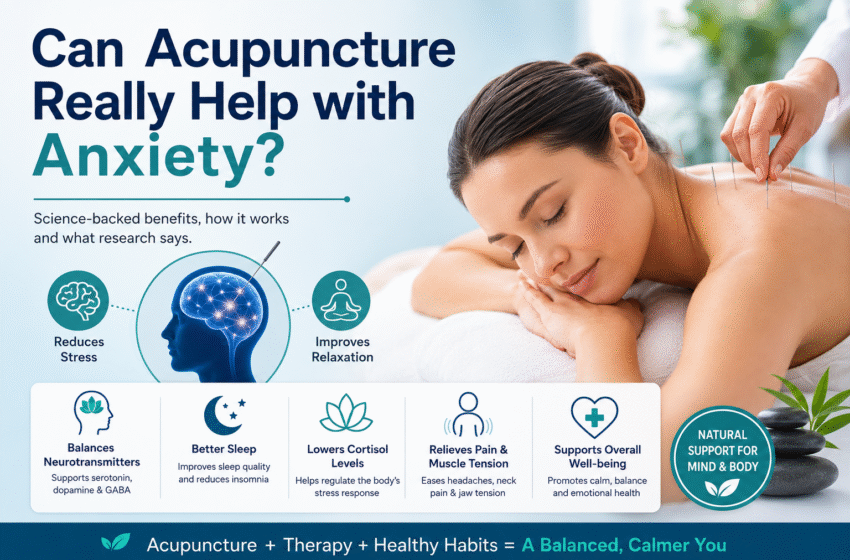
Anxiety disorders affect approximately 301 million people worldwide, according to the World Health Organization (WHO), making effective stress management an important public health priority. Alongside psychotherapy and medication, acupuncture has gained attention as a complementary therapy that may influence neurotransmitters involved in mood regulation. Research suggests acupuncture can help reduce stress, improve relaxation, and support emotional well-being when incorporated into a comprehensive treatment plan.
Table of Contents
What Is Acupuncture?
Acupuncture is a traditional therapeutic practice that originated in Traditional Chinese Medicine (TCM) more than 2,000 years ago. The treatment involves inserting extremely thin, sterile needles into specific points on the body to stimulate physiological responses that may influence pain perception, circulation, and nervous system activity.
Modern research has expanded the understanding of acupuncture beyond traditional theories. Organizations such as the National Center for Complementary and Integrative Health (NCCIH) and the World Health Organization have examined its role in managing chronic pain, headaches, and certain stress-related conditions. Scientists continue investigating how acupuncture interacts with the central nervous system and neurochemical pathways.
Rather than replacing conventional healthcare, acupuncture is generally considered a complementary therapy. Many physicians, physical therapists, and integrative medicine specialists recommend it alongside cognitive behavioral therapy, exercise, or prescribed medications when clinically appropriate.
Key Benefits of Acupuncture for Mood and Anxiety
One of the most studied benefits of acupuncture is its potential influence on neurotransmitters that regulate mood. Clinical studies suggest treatment may affect levels of serotonin, dopamine, and gamma-aminobutyric acid (GABA), chemicals that help regulate emotional balance, motivation, and relaxation.
Acupuncture may also help regulate the body’s stress response. During periods of chronic stress, the hypothalamic-pituitary-adrenal (HPA) axis produces elevated levels of cortisol, a hormone associated with anxiety, sleep disruption, and fatigue. Several studies have reported that acupuncture treatments may help normalize cortisol levels in some individuals.
Improved sleep is another commonly reported benefit. Anxiety frequently contributes to insomnia and poor sleep quality, creating a cycle that worsens emotional health. Research published in peer-reviewed medical journals has found that acupuncture may improve sleep efficiency and reduce nighttime awakenings in certain patient populations.
Many patients also experience physical relief alongside emotional improvements. Muscle tension, headaches, neck pain, and jaw discomfort often accompany chronic anxiety. By addressing both physical symptoms and nervous system regulation, acupuncture may provide broader support than approaches focused solely on emotional symptoms.
How Acupuncture Works
Scientists believe acupuncture activates sensory nerves located within muscles and connective tissue. These signals travel through the peripheral nervous system to the brain and spinal cord, where they may influence pain modulation and neurotransmitter release.
Brain imaging studies using functional magnetic resonance imaging (fMRI) have demonstrated measurable changes in activity within regions associated with emotion, pain processing, and stress regulation following acupuncture treatment. Researchers continue investigating exactly which neural pathways produce these effects.
Acupuncture is also believed to stimulate the release of endorphins, the body’s natural pain-relieving chemicals. Endorphins interact with opioid receptors in the nervous system and may contribute to reduced pain perception, greater relaxation, and improved mood following treatment.
Another proposed mechanism involves the autonomic nervous system. Chronic stress often shifts the body toward increased sympathetic nervous system activity, commonly known as the “fight-or-flight” response. Acupuncture may encourage greater parasympathetic nervous system activity, supporting relaxation, slower heart rate, and improved recovery after stress.
Individuals interested in receiving acupuncture from licensed professionals can discuss whether it complements their existing healthcare plan, particularly if they are managing anxiety, chronic pain, or stress-related muscle tension.
Common Applications of Acupuncture
Acupuncture is frequently used as part of a multidisciplinary approach for generalized anxiety symptoms. Mental health professionals may recommend complementary therapies alongside cognitive behavioral therapy (CBT), mindfulness training, and lifestyle modifications rather than as standalone treatments.
People experiencing work-related stress often seek acupuncture to reduce muscle tightness, headaches, and fatigue. Office workers, healthcare professionals, and individuals with demanding schedules commonly report feeling more relaxed following treatment sessions, although responses vary from person to person.
Chronic pain conditions represent another major application. Organizations including the American College of Physicians recommend acupuncture as a treatment option for certain forms of chronic low back pain because reducing physical discomfort may also improve emotional well-being.
Athletes and physically active individuals sometimes incorporate acupuncture into recovery programs. Sports medicine specialists may recommend treatment to help manage soft tissue discomfort, reduce muscle soreness, and support rehabilitation alongside physical therapy and exercise.
Patients recovering from injury frequently receive acupuncture as part of integrated rehabilitation. Physical therapists and rehabilitation clinics often combine manual therapy, corrective exercise, and acupuncture to improve mobility while addressing pain and stress associated with recovery.
Acupuncture vs Other Stress Management Approaches
Several evidence-based approaches help manage anxiety and chronic stress. Cognitive Behavioral Therapy, prescribed medications such as selective serotonin reuptake inhibitors (SSRIs), meditation, regular physical activity, and acupuncture each work through different biological and psychological mechanisms.
Medication often produces measurable improvements for moderate to severe anxiety disorders but may cause side effects that require physician supervision. Acupuncture generally has a low rate of serious adverse events when performed by trained, licensed practitioners using sterile needles.
Mindfulness meditation and breathing exercises help regulate stress by improving emotional awareness and autonomic nervous system balance. Combining these practices with acupuncture may provide broader support than relying on a single strategy, particularly for individuals experiencing both physical pain and psychological stress.
Exercise remains one of the most effective non-pharmacological interventions for improving mood. The Centers for Disease Control and Prevention (CDC) recommends at least 150 minutes of moderate physical activity each week, while acupuncture may complement exercise by helping reduce muscle soreness and promoting recovery.
Those seeking professional acupuncture services for stress and pain management should consult licensed practitioners who can coordinate care with their primary healthcare providers when necessary.
Frequently Asked Questions
Can acupuncture actually help with anxiety?
Research suggests acupuncture may reduce anxiety symptoms for some individuals by influencing neurotransmitters and stress-related nervous system activity. Most experts recommend using it alongside evidence-based treatments rather than replacing medical or psychological care.
Which neurotransmitters are affected by acupuncture?
Studies indicate acupuncture may influence serotonin, dopamine, endorphins, and GABA, all of which contribute to mood regulation and stress response. Researchers continue investigating the precise biological mechanisms involved.
How many acupuncture sessions are usually recommended?
Treatment frequency depends on the individual’s condition and clinical goals. Many practitioners recommend an initial series of 6 to 10 sessions, followed by reassessment based on symptom improvement.
Is acupuncture safe for stress and anxiety?
Yes, acupuncture is generally considered safe when performed by a licensed practitioner using sterile, single-use needles. Serious complications are rare, and mild soreness or temporary bruising are among the most commonly reported side effects.
Can acupuncture replace anxiety medication?
No, acupuncture should not replace prescribed medication without guidance from a qualified healthcare provider. Many patients use acupuncture alongside therapy or medication as part of a broader treatment plan.
Does acupuncture help improve sleep?
Research suggests acupuncture may improve sleep quality in some people experiencing stress-related insomnia. Better sleep can also contribute to improved mood, concentration, and emotional resilience over time.
How quickly will I notice results from acupuncture?
Some individuals report feeling more relaxed after their first session, while others notice gradual improvements after several treatments. The response varies depending on symptom severity, overall health, and treatment consistency.
Who is a good candidate for acupuncture?
Adults experiencing stress, chronic pain, muscle tension, headaches, or mild anxiety may benefit from discussing acupuncture with a licensed healthcare professional. Individuals with complex medical conditions should also consult their physician before beginning treatment.