
Common Concerns People Have About Virtual Recovery And How Providers
Common Concerns People Have About Virtual Recovery And How Providers Tackle Them
Published: October 22, 2026
Last Updated: October 22, 2026
Last Updated: October 22, 2026
Ever wondered if you can really get help for addiction through a computer screen? Many people still have their doubts about online treatment, even though nearly two-thirds of outpatient facilities now offer remote services.
According to the Substance Abuse and Mental Health Services Administration (SAMHSA), a lot of people hold back on logging on due to worries about who can see their business, keeping up with new technology, and getting the kind of personal touch they need.
For people with work, family, and daily life responsibilities piling up, accessing telehealth addiction care across Michigan can really take a load off—no more worrying about long commutes or taking time off work. This guide breaks down the most common concerns people have about virtual recovery and shows you how providers handle them.
This article is part of
Health & Wellness
Table of Contents
Getting Beyond Tech Issues and All The Potential Chaos
One of the top reasons people are hesitant about online treatment is fear of screens freezing or software causing problems.
You don’t need to be a tech whiz or have the latest computer to get online appointments. Online platforms are designed to work just fine on your everyday phone, tablet or home internet connection.
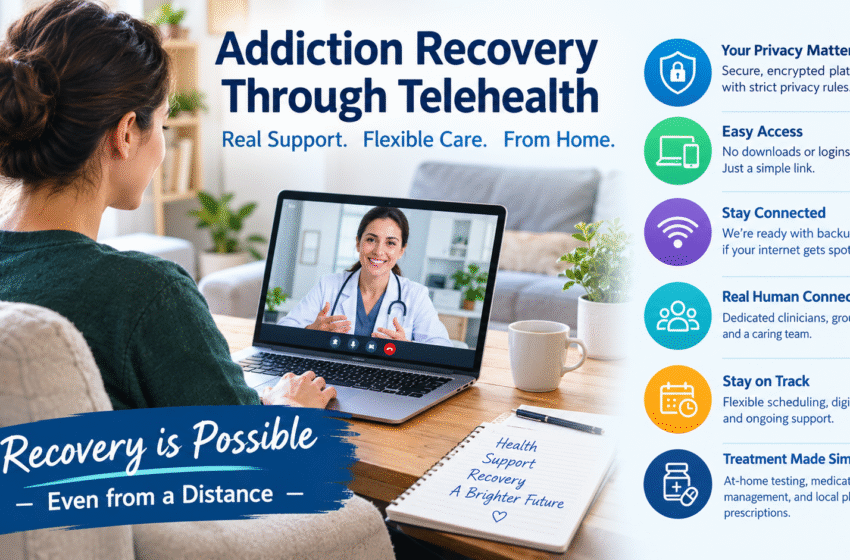
Easy To Use – No Logins or Downloads Needed
Providers make it simple by using links sent to you via text or email that take you straight to your online appointment without requiring you to download any software. If you ever have any trouble getting started, their support staff will give you a quick test call before your appointment to make sure everything is working smoothly.
Staying Connected, Even If The Internet Lets You Down
In case your internet slows down or drops out entirely, your provider has a backup plan so you don’t ever lose your connection. Most platforms will lower the video quality if there’s any internet issues and keep the audio clear, or they’ll switch to a good old-fashioned phone call so you can keep going with your appointment.
When It Comes To Privacy, Providers Follow the Same Rules As In-Person Sessions
Naturally, sharing your health info online raises concerns about who might see it.
Medical providers take online privacy seriously – the same level of concern they’d have inside a real clinic. Strict federal laws and super-secure software tools keep your identity and treatment records completely safe.
Secure Platforms Are Used – Not Just Standard Chat Apps
Healthcare organizations use specialized video software that’s built to keep medical info completely private. This software has end-to-end encryption, meaning nobody can intercept or record your session. What’s more, they use multi-factor authentication to make sure only the right people can join your online appointment.
Keeping Your Privacy Safe At Home
Providers don’t leave you high and dry – they’ll help you figure out ways to protect your privacy even if you’re at home with others. They can suggest using headphones to keep others from hearing your conversations, or even suggest finding a quiet spot outside to do your online appointment.
They also make sure your phone doesn’t show any sensitive medical info on your screen with discreet billing and scheduling notifications.
- Use noise cancelling headphones: Forget about others hearing your session altogether.
- Use virtual backgrounds: Hide your surroundings and feel totally comfortable wherever you are
- Work with the Household Rhythm: Try to schedule appointments for when family members are out at work or school.
Overcoming Isolation and Building Real Connection
A lot of people worry that talking to a doctor or counselor from behind a screen will feel cold and distant, or just plain impersonal.
But here’s the thing: even when you’re communicating with your care team from different locations, human connection is what’s at the core of recovery.
Clinicians use all sorts of active communication methods & strongly encourage peer support networks to make sure you feel heard & supported every week.
Having a Dedicated Clinician Stick with You
Virtual programs pair you up with a clinician who will be your go-to person every week, rather than just rotating you through different staff members. Seeing the same faces all the time lets you build genuine trust and avoid having to repeat your whole life story over and over.
The fact that you’re logging in from the comfort of your own living space can actually make it easier to open up honestly than you would if you were in a sterile office.
Connecting with Others in an Online Group
Online group therapy lets you connect with people who’ve been through similar things & are working towards similar recovery goals. Licensed facilitators keep group sizes nice & small so everyone gets a chance to speak, share updates, and offer some practical encouragement. You get a supportive community without having to worry about sitting in traffic or walking into a strange public building. & you dont have to deal with all the stresses of an in-person situation.
Structure and Accountability from Home
One concern people have about staying at home for treatment is that they’ll lose track of their goals without a physical clinic to visit.
But here’s the thing – remote recovery programs dont leave you on your own to figure things out. Providers build in clear routines, regular check-ins, and all sorts of ways to keep you on track between video calls.
Staying on Track with Scheduled Check-Ins & Digital Tracking
Your care team will work with you to set up a clear, predictable weekly routine of medical visits and therapy sessions. Between appointments, many providers use secure patient portals where you can log your daily habits, track cravings, and message your support team whenever you need to.
Automated reminders can help keep you organized, so you can fit your recovery plan right in with your work and family calendar.
At-Home Lab Testing & Medication Management
Doctors can manage Medication-Assisted Treatment (MAT) safely from a distance, by working with local pharmacies & using remote testing kits. For required toxicology screenings, providers will mail oral swab tests to your doorstep – you complete them on camera in just a few minutes, or they send a digital lab slip to a nearby diagnostic centre.
Once your clinician has reviewed your progress, they can send prescriptions electronically to your local pharmacy for easy pickup.
- Prescriptions sent straight to your local pharmacy
- Do a quick oral swab at home & send it in for screening
- Direct message your medical team whenever you have questions about side effects or dosages.
Taking the First Step Towards Accessible Care with Aegis Medical USA
Starting recovery doesn’t have to mean putting your job, family responsibilities, or personal boundaries on hold.
When you know how providers tackle everyday technical and logistical challenges, remote care starts to sound a lot less daunting. Aegis Medical USA offers confidential, evidence-based telehealth addiction care across Michigan tailored to fit your daily life.
Just reach out to their clinical team today to ask any questions, check on your insurance coverage, and schedule your first private online consultation.