
Common Concerns People Have About Virtual Recovery And How Providers
Homemade Recipes for Weight Gainer Powder without Protein Powder
Published: May 16, 2021
Last Updated: October 14, 2026
Last Updated: October 14, 2026
Table of Contents
4 Homemade Mass Gainer Shake Recipes for Healthy Weight Gain
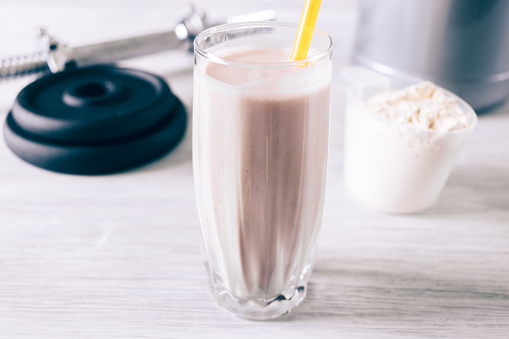
Building muscle and gaining weight can be challenging, especially if you struggle to eat enough calories throughout the day. Homemade mass gainer shakes offer a convenient way to add calories, protein, carbohydrates, and healthy fats to your diet without relying entirely on packaged supplements.
There are many mass gainer powders available, and choosing one can feel overwhelming. The right option depends on your fitness goals, daily calorie needs, dietary preferences, and tolerance for different ingredients. Before purchasing a supplement, compare the nutrition label, serving size, protein content, added sugars, and customer reviews. If you have an existing medical condition or specific nutritional needs, consider consulting a qualified healthcare professional or registered dietitian.
You can also make calorie-rich shakes at home using everyday ingredients such as milk, bananas, nut butters, oats, yogurt, and avocados. These ingredients provide a flexible starting point for creating shakes that fit your nutritional goals.
The same considerations can extend to Multi Vitamins. Exploring that topic helps connect the article’s main ideas with another area readers may encounter.
This article is part of
Diet Tips
Benefits of Homemade Mass Gainer Shakes
Homemade shakes can support a weight-gain plan when they help you consume more calories than your body uses. Their nutritional value depends on the ingredients and portion sizes you choose.
Some potential benefits include:
- Convenient calorie intake: A shake can make it easier to consume additional calories when large meals feel difficult.
- Protein for muscle repair: Milk, yogurt, nut butters, and suitable protein powders can contribute to your daily protein intake.
- Carbohydrates for training: Fruits, oats, and milk provide carbohydrates that help fuel exercise and replenish energy stores.
- Healthy fats: Ingredients such as peanut butter, almond butter, and avocado increase calorie content and provide dietary fats.
- Flexible recipes: You can adjust the ingredients to suit your taste, food preferences, and nutritional requirements.
Remember that a mass gainer shake is a supplement to your regular meals, not a replacement for a balanced diet. For muscle gain, combine sufficient food intake with progressive resistance training, recovery, and adequate sleep.
1. Peanut Butter and Banana High-Protein Shake
Peanut butter and banana make a classic combination for a calorie-rich shake. Bananas contribute carbohydrates, while peanut butter provides fats and some protein. Milk adds protein and calcium, making this a convenient option for breakfast or a post-workout snack.
Ingredients
- 300 ml skimmed milk or an unsweetened alternative, such as fortified soy milk
- 1 ripe banana
- 2 tablespoons peanut butter, smooth or crunchy
- 2 tablespoons mass gainer powder, following the product’s serving instructions
- A few ice cubes, if desired
Method
- Add the milk, banana, peanut butter, and mass gainer powder to a blender.
- Blend until the mixture is smooth and no powder lumps remain.
- Add ice if you prefer a colder shake.
- Pour into a glass and drink immediately.
Tip: For additional carbohydrates and fibre, blend in a small serving of oats. Check the mass gainer’s nutrition label before adding extra powder, as some products already contain substantial calories and sugar.
2. Dark Chocolate and Almond Butter Mass Gainer Shake
If you enjoy chocolate-flavoured drinks, this recipe offers a rich alternative to a conventional milkshake. Almond butter contributes fats and some protein, while milk and mass gainer powder can increase the drink’s protein and calorie content.
Dark chocolate adds flavour, but it can also contribute sugar and saturated fat. Choose a portion that fits your overall dietary needs.
Ingredients
- 300 ml whole milk
- 20–30 g dark chocolate, melted and slightly cooled
- 2 tablespoons almond butter
- 1 serving of chocolate-flavoured mass gainer powder, according to the label
- A few dark chocolate shavings for garnish, optional
Method
- Melt the dark chocolate in a microwave-safe bowl using short intervals, stirring between each interval. Alternatively, use a double boiler.
- Allow the chocolate to cool slightly.
- Add the milk, almond butter, mass gainer powder, and melted chocolate to a blender.
- Blend until creamy and smooth.
- Pour into a glass and garnish with a small amount of chocolate shavings, if desired.
Although meal replacement shakes and mass gainers are both convenient drinks, they serve different purposes. Meal replacements are generally designed to provide a more balanced, portion-controlled alternative to a meal, whereas mass gainers are often formulated to supply a large number of calories per serving. Compare the nutrition labels before choosing either product.
3. Pineapple and Coconut Weight Gainer Shake
This tropical shake combines pineapple with creamy coconut flavours. It can be useful when you want to increase your calorie intake with a drink that tastes different from a traditional chocolate or banana shake.
The original combination of whole milk, coconut milk, and heavy cream can be very calorie-dense. You can adjust the quantities depending on your appetite and calorie target.
Ingredients
- 300 ml whole milk
- 1 cup pineapple chunks, fresh or frozen
- 100 ml coconut milk
- 1–2 tablespoons heavy cream, optional
- 1 serving vanilla mass gainer powder, following the product instructions
- A pinch of cinnamon, optional
Method
- Add the milk, pineapple, coconut milk, and mass gainer powder to a blender.
- Blend until the pineapple is fully broken down and the mixture is creamy.
- Add the heavy cream if you want a richer texture, then blend briefly.
- Pour into a glass and sprinkle a little cinnamon on top if desired.
Tip: If you prefer a lighter shake, leave out the heavy cream or use a smaller quantity of coconut milk. If you have difficulty digesting dairy, try a suitable lactose-free milk or fortified plant-based alternative.
4. Chocolate Avocado Weight Gain Shake
Avocado is often used in salads and on toast, but its creamy texture also works well in shakes. It provides unsaturated fats and fibre, while banana adds sweetness and carbohydrates. Milk and mass gainer powder can contribute protein and additional calories.
Ingredients
- ½–1 ripe avocado, depending on your calorie needs
- 300 ml whole milk or a suitable alternative
- 1 serving chocolate-flavoured mass gainer powder, according to the label
- 1 ripe banana
- 15–20 g dark chocolate, melted and cooled slightly
- A few ice cubes, optional
Method
- Melt the dark chocolate and allow it to cool slightly.
- Add the avocado, banana, milk, mass gainer powder, and melted chocolate to a blender.
- Blend until the avocado is completely incorporated and the shake has a smooth consistency.
- Add ice if desired and blend again briefly.
- Pour into a glass and serve immediately.
Tip: Avocado can make a shake thick and filling. Start with half an avocado if you’re unsure how the texture will suit you, and adjust the amount next time.
How to Choose the Right Mass Gainer Powder
Not everyone needs a commercial mass gainer. Some people can meet their calorie and protein needs through ordinary meals and homemade shakes, while others may find a packaged product more convenient.
Before selecting a mass gainer, consider the following factors:
1. Check the calorie content
Compare calories per serving rather than relying only on the product’s marketing claims. A very large serving may provide more calories than you need at one time.
2. Review the protein and carbohydrate content
Protein supports muscle repair and growth when combined with resistance training. Carbohydrates provide energy, but the balance you need depends on your overall diet, activity level, and training routine.
3. Check the ingredients
Review the ingredient list for added sugars, allergens, lactose, artificial sweeteners, and other ingredients you may prefer to avoid. If you have food allergies, check the manufacturer’s allergen information carefully.
4. Consider your digestion
Some products may cause bloating, gas, diarrhoea, or constipation, particularly if they contain ingredients you do not tolerate well or if you consume a large serving quickly. Start with a modest portion if appropriate and follow the label instructions.
5. Choose a product that suits your goals
A person trying to gain muscle may have different calorie needs from someone who simply wants to increase their body weight. A qualified dietitian or sports nutrition professional can help you determine whether a mass gainer is useful for your circumstances.
Can Vitamins and Other Supplements Help With Weight Gain?
A mass gainer is only one possible part of a nutrition plan. Other supplements may be relevant in certain circumstances, but they do not automatically improve muscle growth or make weight gain healthier.
Multivitamins: The same considerations can extend to [multivitamins]. These products may help address specific nutritional gaps, but they do not replace a varied diet or directly cause muscle gain. Whether you need one depends on your food intake, individual needs, and professional advice.
Apple cider vinegar: This topic also overlaps with [apple cider vinegar]. It is sometimes promoted for digestion or weight management, but it is not a reliable method for building muscle or increasing body weight. Its acidity may also irritate the throat or affect tooth enamel when used improperly.
Ayurveda and Triphala: A useful next step is to explore [Wonder Herb Ayurveda Triphala], because it adds another angle to the discussion of traditional wellness practices. However, Triphala is not an established mass-gain supplement, and evidence for many marketed benefits remains limited. Herbal products can also interact with medicines, so seek professional advice before using them.
Daily probiotics: It can also be helpful to understand [daily probiotics]. Probiotics are live microorganisms found in certain foods and supplements. Their effects depend on the strains and the person using them; they are not a substitute for adequate calories, protein, or a balanced diet.
Anxiety and appetite: For readers who want more context before making a decision, [anxiety] provides a natural continuation of this discussion. Stress and anxiety can affect appetite, eating routines, and sleep for some people. If these issues make it difficult to eat enough or affect daily life, consider speaking with a qualified healthcare professional.
Back pain and exercise: Readers considering [back pain] may also benefit from understanding how it relates to exercise and everyday nutrition. If back pain interferes with lifting weights or other activities, avoid exercises that aggravate it and seek appropriate medical guidance. Nutrition can support general health, but a mass gainer will not treat the underlying cause of back pain.
Safety Tips Before Using Mass Gainer Supplements
Mass gainer powders can be convenient, but consuming more than you need may lead to unwanted weight gain or digestive discomfort. Some products also contain ingredients that may not suit everyone.
Keep these precautions in mind:
- Follow the serving instructions on the product label rather than assuming that more powder will produce faster results.
- Check for allergens and ingredients that may cause digestive symptoms.
- Avoid using supplements as a substitute for most of your daily meals.
- Choose products from reputable manufacturers with clear ingredient and nutrition information.
- If you take medication or have a medical condition, ask a healthcare professional whether the product is suitable for you.
- If you are pregnant or breastfeeding, consult your healthcare professional before using a mass gainer or other dietary supplement.
- Tell your healthcare team about any supplements you use before a planned operation and follow their instructions about whether to stop them.
- Stop using a product and seek medical advice if you experience a suspected adverse reaction. Seek urgent care for breathing difficulties, swelling of the lips or throat, or other signs of a severe allergic reaction.
People with kidney disease or other conditions that affect nutrition may need individual guidance on protein, fluid, and calorie intake. Supplements should be chosen according to those needs rather than used without advice.
Common Mistakes to Avoid When Trying to Gain Weight
Even a well-made shake may not help you reach your goals if the rest of your routine is inconsistent. Avoid these common mistakes:
Relying only on shakes: Whole foods provide a wider range of nutrients and should remain the foundation of your diet.
Adding too many calories too quickly: A large calorie surplus can lead to unwanted fat gain. Increase intake gradually and monitor how your body responds.
Ignoring resistance training: If your goal is muscle gain, follow a structured strength-training plan suited to your ability and experience.
Neglecting sleep and recovery: Rest is an important part of adapting to training. Consistently poor sleep may make it harder to recover and maintain your routine.
Choosing a supplement without checking the label: Compare serving sizes, calories, protein, added sugar, and ingredients before deciding which product to use.
Frequently Asked Questions
Are homemade mass gainer shakes effective?
They can help if they provide additional calories and adequate protein as part of a consistent nutrition and training plan. Results depend on your total diet, exercise routine, sleep, and individual needs.
Can I drink a mass gainer shake every day?
Some people can include a shake daily, but it depends on their nutritional needs and the product’s ingredients. Make sure it complements a balanced diet rather than displacing a variety of whole foods.
What is the best time to drink a mass gainer shake?
There is no single best time for everyone. You can drink one between meals, alongside breakfast, or after training if that timing helps you meet your daily nutrition needs. Your total intake over the day matters more than a strict timing rule.
Can I gain muscle without mass gainer powder?
Yes. You can meet your calorie and protein needs through regular foods and homemade shakes. Mass gainer powder is a convenience option, not a requirement for building muscle.
Can mass gainer supplements cause side effects?
They may cause bloating, gas, nausea, diarrhoea, or constipation in some people. Consuming more calories than you need can also contribute to unwanted fat gain. More serious symptoms require medical assessment rather than being dismissed as normal supplement effects.
Final Thoughts
Homemade mass gainer shakes are a flexible way to add calories and nutrients to your daily diet. Recipes made with bananas, nut butters, milk, pineapple, coconut, and avocado can be adjusted to match your preferences and calorie requirements.
For sustainable weight gain, focus on regular balanced meals, sufficient protein, progressive resistance training, and adequate recovery. Choose supplements carefully, avoid excessive servings, and seek professional advice if you have medical concerns or are unsure how much you need.
The best shake is not necessarily the one with the most calories. It is the one that fits your nutritional needs, agrees with your digestion, and helps you maintain a consistent, balanced routine.