
Which type of Dumbbells is Best for you?
Last Updated: October 14, 2026
If you have ever visited a gym, you have probably used or seen dumbbells. These versatile free weights are popular among beginners and experienced lifters because they are easy to use, suit a wide range of exercises, and help develop strength and muscle.
Dumbbells can be used for upper-body workouts, lower-body exercises, and full-body strength training. Whether you want to improve muscle endurance, build strength, or create a home workout routine, choosing the right dumbbells can make your training more convenient and effective.
However, not all dumbbells are the same. They differ in weight adjustment, shape, materials, grip, and storage requirements. Understanding these differences can help you select a set that fits your fitness goals, available space, and budget.
Table of Contents
1. Fixed Dumbbells
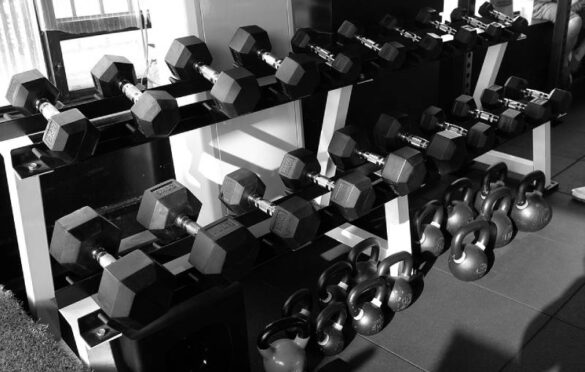
As the name suggests, fixed dumbbells have a set weight that cannot be adjusted. Each dumbbell consists of two weighted ends connected by a handle.
Fixed dumbbells are common in commercial gyms because they are straightforward to use. Simply choose the appropriate weight and begin your exercise without changing plates or adjusting a mechanism.
Advantages of Fixed Dumbbells
- Easy to use: You can switch between available weights quickly.
- Durable construction: Many models are designed to withstand frequent use.
- Convenient for circuit training: Having multiple weights available can make transitions between exercises faster.
- Wide variety: Fixed dumbbells are available in many weights, grip styles, and materials.
Disadvantages of Fixed Dumbbells
The main drawback is storage. If you need several weight options, you may need a rack and enough floor space to organise them safely. Buying a complete set can also cost more than purchasing a single adjustable pair.
Fixed dumbbells are a good choice for commercial gyms, dedicated home gyms, and people who prefer quick weight changes during their workouts.
2. Adjustable Dumbbells
Adjustable dumbbells allow you to change the weight of the same pair of handles. Depending on the design, you can add or remove plates manually or select a weight using a dial or selector mechanism.
These dumbbells are particularly useful for home workouts because one pair can replace several fixed-weight pairs.
Advantages of Adjustable Dumbbells
- Space-saving design: You can store several weight settings in a relatively small area.
- Flexible training: Adjust the resistance for different exercises and strength levels.
- Potential long-term value: One set may cost less than purchasing many pairs of fixed dumbbells.
- Suitable for progression: You can increase the load gradually as your strength improves.
Disadvantages of Adjustable Dumbbells
Some models take time to adjust, particularly those that use removable plates and spin-lock collars. Selector-based models may be faster to change, but they can be more expensive and may require careful handling.
Always check that plates and locking mechanisms are secured before lifting. Avoid dropping adjustable dumbbells unless the manufacturer explicitly states that the product is designed for it.
3. Different Dumbbell Shapes
Dumbbells also come in different shapes, which can affect their stability, storage, and suitability for particular exercises.
Round Dumbbells
Round dumbbells have circular weighted ends and are available in fixed and adjustable designs. They are common in gyms and can be comfortable to use, depending on the handle and weight distribution.
One disadvantage is that round dumbbells can roll when placed on the floor. Store them securely and keep them away from walkways to reduce the risk of accidents.
Hex Dumbbells
Hex dumbbells have hexagonal-shaped ends rather than round ones. Their flat sides help prevent them from rolling away when placed on a level surface.
They are useful for exercises such as dumbbell rows, curls, lunges, and floor-based movements. Their stable shape can also make them convenient for certain push-up variations, provided the dumbbells are designed to remain stable under body weight.
For home gyms, hex dumbbells are often a practical choice because they are easy to organise and generally stay in place when set down.
4. Different Dumbbell Materials
Dumbbells are manufactured using several materials, each offering different advantages in terms of durability, comfort, maintenance, and price.
Cast-Iron Dumbbells
Cast-iron dumbbells are known for their durability and relatively compact design. They are available in various weights and are commonly found in gyms.
However, bare iron can corrode if exposed to moisture over time. Depending on the finish, the handles may also feel rough or uncomfortable during high-repetition workouts.
Chrome Dumbbells
Chrome dumbbells have a metallic finish that gives them a polished appearance. Some models feature contoured handles designed for a secure grip.
The finish can wear or become scratched with frequent use, so inspect the equipment regularly and keep it clean. A polished surface does not necessarily mean a dumbbell will be more comfortable; handle shape and grip texture matter too.
Rubber-Coated Dumbbells
Rubber-coated dumbbells usually have a metal core covered by a rubber layer. The coating can help protect floors, reduce some impact noise, and make the weights easier to handle.
They are popular in commercial gyms and home workout spaces. However, rubber quality varies, and some products may have a noticeable odour when new.
Urethane Dumbbells
Urethane dumbbells are often found in premium gym settings. Their coating is generally durable and resistant to wear, although quality and longevity depend on the product.
They can be a suitable option for people who expect frequent use and want equipment designed for long-term training.
Neoprene-Coated Dumbbells
Neoprene-coated dumbbells often come in bright colours and lighter weight ranges. Their coating provides a comfortable grip for many low- to moderate-load exercises.
They are particularly convenient for beginners, walking workouts, aerobics, and higher-repetition routines. However, they may not be available in the heavier weights required for advanced strength training.
5. How to Choose the Right Dumbbells for Your Goals
The best dumbbells depend on your experience, training objectives, available space, and budget.
Consider the following factors before purchasing:
- Your current strength level: Choose weights that allow you to maintain proper technique throughout each set.
- Your training goals: Light weights may suit rehabilitation or endurance-focused exercises, while heavier loads may be appropriate for strength training.
- Available storage: Adjustable dumbbells can be useful when floor space is limited.
- Grip comfort: Select handles that feel secure without causing excessive pressure or discomfort.
- Weight progression: Look for equipment that offers suitable increments as you become stronger.
- Safety and durability: Check the construction, locking mechanism, weight markings, and manufacturer’s instructions.
- Budget: Compare the total cost of the set, accessories, and any required storage equipment.
Beginners do not necessarily need the heaviest dumbbells available. Start with manageable resistance and increase the weight when you can complete your target repetitions with controlled movement and good form.
6. Dumbbell Exercises to Include in Your Routine
Once you have selected the right equipment, you can use dumbbells to train several major muscle groups. Learning correct technique is more important than lifting heavy weights too soon.
Dumbbell Incline Press for the Chest
The incline dumbbell press is an upper-body exercise that primarily targets the chest, particularly the upper portion of the pectoral muscles. It also engages the shoulders and triceps.
To perform the exercise, lie on an incline bench with a dumbbell in each hand. Begin with the weights near your upper chest, then press them upward in a controlled movement without forcefully locking your elbows. Lower them carefully to the starting position.
Choose a manageable weight and keep your wrists stable. If you do not have an adjustable bench, consider other chest exercises suited to your available equipment.
Chest Press Machine Versus Dumbbells
A chest press machine can be a useful alternative to dumbbell pressing. Machines guide the movement along a defined path, which some beginners may find easier to control. Dumbbells require each arm to stabilise its own load and may allow a greater range of movement, depending on the exercise and equipment.
Neither option is universally better. Your choice should depend on your goals, comfort, experience, and any relevant physical limitations. Both can contribute to a well-designed strength-training programme.
Romanian Deadlift for the Hamstrings and Glutes
The Romanian deadlift (RDL) is a hip-hinge exercise that targets the hamstrings and gluteal muscles while also engaging the muscles that stabilise the trunk.
Hold a dumbbell in each hand, stand with your feet approximately hip-width apart, and keep your knees slightly bent. Push your hips backward while lowering the weights close to your legs. Stop when you reach a comfortable range without rounding your back, then drive your hips forward to return to standing.
Start with light dumbbells while learning the movement. If you experience pain or struggle to maintain proper form, stop and seek guidance from a qualified trainer or healthcare professional as appropriate.
Hang Clean and Dumbbell Training
The hang clean is an explosive weightlifting movement that develops power, coordination, and full-body strength. It is commonly performed with a barbell, although dumbbell variations are also possible.
Unlike slower strength exercises, a hang clean requires rapid force production and precise technique. Beginners should learn the movement with light loads under qualified supervision before progressing. It is not necessary for every fitness routine, and simpler exercises may be more appropriate when first learning resistance training.
Leg and Shoulder Training
A balanced strength programme should include exercises for the lower body and shoulders rather than concentrating only on the chest and arms.
Dumbbell goblet squats, lunges, and Romanian deadlifts can help train the legs and glutes. Shoulder presses, lateral raises, and controlled front raises target different shoulder muscles.
Combining leg and shoulder exercises within a structured plan can help you distribute training across muscle groups. However, consider exercise order, total training volume, and recovery when training multiple areas in the same session.
7. Dumbbell Training and Muscle Development
Dumbbells can support muscle development when training includes suitable resistance, sufficient effort, progressive overload, and adequate recovery.
People of different genders can use the same basic principles of resistance training. For muscular women and other people seeking to build strength, the appropriate weight and training volume depend on individual goals, experience, and physical capacity.
You do not need to train to exhaustion during every session. Focus on controlled repetitions, consistent technique, and gradual progress. Adequate protein intake, sufficient overall nutrition, and sleep also help support muscle repair and adaptation.
If you are new to strength training, consider working with a qualified trainer to learn proper technique and develop a programme that suits your needs.
8. How to Maintain Your Dumbbells
Proper maintenance can help keep your equipment safe and extend its useful life.
- Wipe down handles and coated surfaces after use.
- Keep dumbbells in a dry location to reduce the risk of corrosion.
- Store weights on a suitable rack or stable surface.
- Inspect adjustable mechanisms and locking collars regularly.
- Check rubber or urethane coatings for damage.
- Follow the manufacturer’s cleaning, storage, and maintenance instructions.
Avoid leaving weights in areas where people can trip over them. If a dumbbell has a loose handle, damaged coating that affects safe use, or a faulty locking mechanism, stop using it until the problem has been resolved.
Conclusion
Dumbbells are versatile tools for strength training, whether you exercise in a commercial gym or at home. Fixed dumbbells offer convenience and quick weight changes, while adjustable models save space and provide multiple resistance options. Shape and material also influence grip, stability, maintenance, and durability.
Before buying a set, consider your fitness goals, experience, budget, and available storage. Once you have the right equipment, build a balanced routine that trains different muscle groups and progresses at a manageable pace.
With appropriate technique, regular practice, and sufficient recovery, dumbbells can become a valuable part of a long-term fitness routine.