
Drugs to Treat CLL: What Recent Research Means for Patients
Last Updated: October 15, 2026
Chronic lymphocytic leukemia is one of the more common forms of leukemia diagnosed in adults. It develops when abnormal lymphocytes – a type of white blood cell – start accumulating in the blood, bone marrow, and lymph nodes. Unlike acute leukemias, CLL usually moves slowly, and a lot of people don’t notice symptoms in the early stages at all. That’s part of why some patients spend time under active surveillance before treatment ever actually starts, rather than beginning therapy the moment a diagnosis comes in.
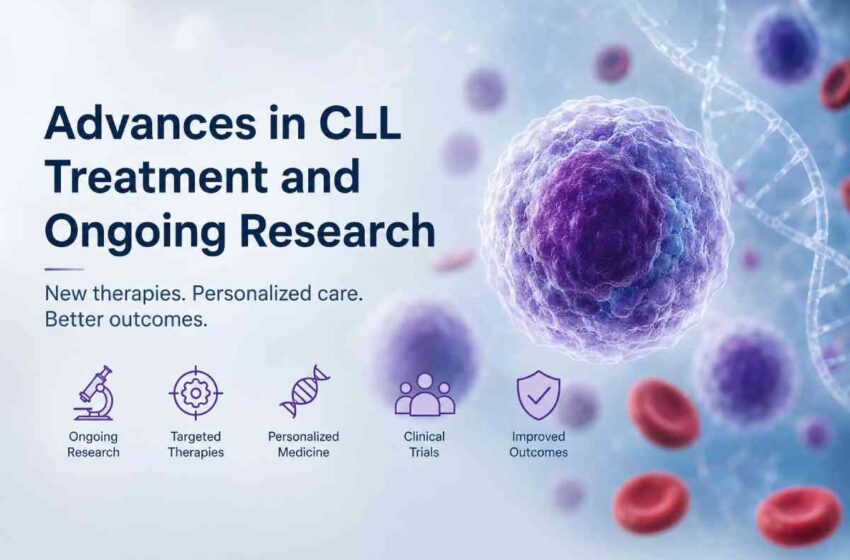
Over the past decade, research has increased understanding of the biology of CLL. Studies have identified genetic mutations, signaling pathways, and immune system interactions that shape how the disease develops and how it responds to treatment. That growing understanding has led to more personalized approaches, along with ongoing research into options that are both safer and more effective than what was available even a few years ago.
Table of Contents
How Treatment Has Shifted Over Time
Chemotherapy used to sit at the center of CLL management. It’s still appropriate in certain situations, but researchers have increasingly turned their attention toward targeted therapies that act on the specific biological mechanisms cancer cells actually rely on to survive.
Modern treatment planning tends to weigh several things before therapy even begins — the patient’s age and overall health, genetic markers found in the leukemia cells themselves, how far the disease has progressed, any previous treatment history, and whether specific chromosome abnormalities or gene mutations are present.
That individualized approach helps clinicians choose therapies that actually fit a patient’s specific clinical picture, rather than defaulting to one standard treatment plan applied across the board.
Readers researching this issue may also find Ben Shephard Wife Illness useful for context. Health needs vary, so any concerns about symptoms, diagnosis or treatment are best discussed with an appropriate professional.
Where Recent Research Has Focused
CLL research keeps moving quickly. Clinical trials around the world are evaluating new combinations of targeted medicines, how treatments should be sequenced, and fixed-duration approaches that don’t require indefinite ongoing therapy.
A few areas are getting particular attention right now.
Targeted pathway inhibitors. Research has identified that CLL cells depend on specific signaling pathways just to survive and multiply. Interrupt those pathways, and targeted medicines can slow the growth of leukemia cells while limiting the damage done to healthy ones. These therapies target specific biological pathways that differ from the approach used by chemotherapy. Researchers are evaluating the effects of combination therapies compared with single-agent approaches
Personalized medicine. Genetic testing has become a genuinely important part of CLL management. Certain genetic changes influence how a patient’s likely to respond to a given therapy, and researchers are working to understand these differences more precisely so treatment decisions can get even more individualized over time. As genomic technology keeps improving, future research may improve the ability to assess potential CLL medication response matching patients to therapies that actually align with their specific disease characteristics, rather than a best guess.
Combination strategies. Another major thread of research involves pairing targeted therapies with other medications. Rather than relying on one drug alone, investigators are studying combinations that attack leukemia cells through different biological mechanisms simultaneously. These studies are trying to determine whether combination therapy can produce deeper, more durable responses while keeping the safety profile acceptable safety profile not just effective, but tolerable too.
Another relevant health topic is Feel Like Im Dying. Looking at it alongside this article can provide broader context, although individual symptoms or treatment decisions should be discussed with a clinician.
What Modern Drugs to Treat CLL Actually Look Like
Today’s drugs to treat cll cover a much broader range of options than existed just a few years back. Instead of focusing purely on destroying rapidly dividing cells the way chemotherapy does, a lot of newer therapies target specific proteins or signaling pathways that CLL cells actually depend on to survive.
That includes categories like BTK inhibitors, BCL-2 inhibitors, monoclonal antibodies, combination targeted therapies, and investigational therapies available through clinical trials. Each category works through a different mechanism, and healthcare providers determine which option actually fits based on a patient’s medical history, lab findings, and overall treatment goals — not a one-size-fits-all protocol.
For additional background, readers can also review Acadiana Womens Health Group. It covers a related health consideration and can help frame useful questions to discuss with a qualified healthcare professional. Readers researching this issue may also find Steps CPR useful for context. Health needs vary, so any concerns about symptoms, diagnosis or treatment are best discussed with an appropriate professional.
Why Clinical Trials Remain So Central
Clinical trials continue to be one of the biggest drivers of progress in CLL research. Every therapy currently approved went through extensive clinical evaluation before it ever became available to patients outside of a trial setting.
Right now, active studies are asking real questions — can treatment duration be shortened safely? Which combinations produce the longest disease control? How can side effects be minimized without sacrificing effectiveness? Which patients actually benefit most from a particular treatment approach? Can treatment be adjusted based on measurable residual disease?
Participating in a clinical trial can give eligible patients access to investigational therapies they wouldn’t otherwise have, while also contributing to the broader scientific knowledge that ends up helping future patients down the line.
Why Ongoing Monitoring Still Matters
Treatment is only part of managing CLL. Regular follow-up lets a healthcare team actually evaluate how the disease is responding, and whether anything needs to change along the way.
That monitoring typically includes blood tests, physical exams, checking lymph node size, reviewing symptoms, and evaluating any side effects that might be showing up from treatment. For patients not yet on therapy, routine monitoring helps determine when treatment actually becomes appropriate – without exposing them to interventions too early, before they’re genuinely needed.
Where This Research Is Actually Heading
Clinical research continues to evaluate approaches that could further improve outcomes for people living with CLL. Immunotherapy, cellular therapies, next-generation targeted agents, and precision medicine built on molecular profiling are all getting active research interest right now.
Researchers are evaluating the potential role of AI and advanced genomic analysis to help determine treatment patterns and to predict how the disease is likely to behave in a given patient. These technologies are being studied for their potential role in treatment planning.
CLL continues to be a chronic disease for many patients, but continued advances in science have really expanded the therapeutic options and our understanding of the disease itself. “Where CLL care actually goes from here is still being shaped through ongoing collaboration between researchers, clinicians and patients.
The last few years have seen additional research has expanded understanding of CLL biology and treatment approaches of the pathogenesis of chronic lymphocytic leukemia and the mechanisms of action of different therapies in the clinical setting. Current treatment strategies increasingly rely on personalized decision-making – weighing genetic findings, overall health and disease characteristics, rather than applying the same approach to every patient regardless of their specific situation. As clinical trials continue to evaluate emerging therapies and new combinations, patients and providers have an increasing body of evidence to help inform truly informed decisions. Staying up-to-date on research and regular communication with a healthcare team continue to be some of the most important parts of long-term management of CLL.
For additional background, readers can also review gestational diabetes food plan. It covers a related health consideration and can help frame useful questions to discuss with a qualified healthcare professional.