
Understanding the Role of Hematology Specialists in Modern Healthcare
Understanding the Role of Hematology Specialists in Modern Healthcare
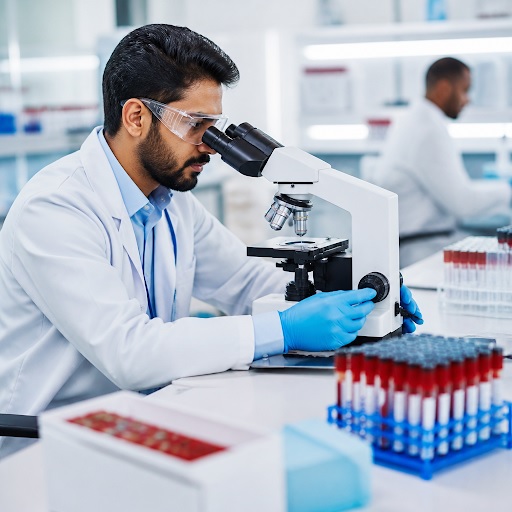
The field of hematology stands as one of the most critical specializations in contemporary medicine, addressing conditions that affect the very essence of human vitality: our blood. From diagnosing complex blood disorders to managing life-threatening cancers, hematology specialists serve as essential guardians of health, employing sophisticated diagnostic tools and innovative treatment protocols. As medical science continues to advance, the role of these physicians has expanded significantly, encompassing not only traditional clinical care but also cutting-edge research and precision medicine approaches that promise to transform patient outcomes.
Table of Contents
The Evolution of Blood Disorder Management
Hematology has undergone a remarkable transformation over the past several decades. What once relied heavily on rudimentary microscopy and basic blood counts has evolved into a sophisticated discipline integrating molecular diagnostics, genetic profiling, and targeted therapies. Modern hematologists now utilize flow cytometry, next-generation sequencing, and advanced imaging technologies to identify subtle abnormalities that would have been impossible to detect just a generation ago. This technological renaissance has fundamentally altered how blood disorders are understood and treated, shifting the paradigm from symptom management to addressing underlying molecular causes.
The diagnostic journey for patients experiencing unexplained symptoms often begins with comprehensive blood work. When standard primary care evaluations reveal anomalies—whether in red cell counts, platelet numbers, or white blood cell distributions—referral to a specialist becomes necessary. Consulting a blood doctor ensures that complex conditions receive the focused expertise they demand, with specialists trained to interpret subtle patterns that might escape general practitioners. This precision in diagnosis forms the foundation for effective treatment strategies tailored to each patient’s unique physiological profile.
Common Conditions Requiring Hematological Expertise
The spectrum of blood disorders encompasses a vast range of conditions, from relatively benign anemias to aggressive malignancies. Iron deficiency anemia, though common, can mask more serious underlying pathologies and requires careful differential diagnosis. Clotting disorders such as hemophilia and von Willebrand disease demand lifelong management and pose significant risks during surgical procedures or traumatic injuries. Thrombocytopenia, characterized by dangerously low platelet counts, can arise from autoimmune processes, medication reactions, or bone marrow dysfunction, each requiring distinct therapeutic approaches.
Malignant Hematological Conditions
Blood cancers represent perhaps the most challenging category within hematology. Leukemias, lymphomas, and myelomas each present unique diagnostic and therapeutic challenges. Acute leukemias demand immediate intervention, often requiring intensive chemotherapy protocols and potential bone marrow transplantation. Chronic forms may follow indolent courses, allowing for watchful waiting or targeted therapies that preserve quality of life while managing disease progression. Multiple myeloma, a plasma cell malignancy, has seen dramatic improvements in survival rates due to novel agents that target specific molecular pathways involved in cancer cell proliferation.
The interdisciplinary nature of modern medicine means that hematologists frequently collaborate with professionals across various specialties. Just as patients seek comprehensive dental care at facilities offering integrated health services, individuals with blood disorders benefit from coordinated care teams that address the full spectrum of their medical needs. This holistic approach recognizes that systemic conditions often manifest across multiple organ systems, requiring synchronized management strategies.
The Diagnostic Process in Hematology
Accurate diagnosis forms the cornerstone of effective hematological care. Initial consultations typically involve detailed medical histories, focusing on symptom onset, family history of blood disorders, medication exposure, and environmental factors. Physical examination may reveal subtle signs such as pallor, petechiae, lymphadenopathy, or hepatosplenomegaly that provide crucial diagnostic clues. Laboratory evaluation extends far beyond basic complete blood counts, incorporating peripheral blood smears, bone marrow biopsies, immunophenotyping, cytogenetic analysis, and molecular testing.
Advanced Testing Modalities
Contemporary hematology relies heavily on sophisticated testing platforms. Flow cytometry enables precise identification of cell surface markers, distinguishing between normal and malignant cell populations. Fluorescence in situ hybridization detects chromosomal abnormalities associated with specific prognoses and treatment responses. Polymerase chain reaction amplifies minute quantities of genetic material, allowing detection of minimal residual disease that might otherwise escape notice. These technologies have transformed hematology from a largely descriptive field into one grounded in molecular precision.
Treatment Approaches and Therapeutic Innovation
Treatment strategies in hematology have diversified considerably, moving beyond traditional chemotherapy to include targeted agents, immunotherapies, and cellular therapies. Tyrosine kinase inhibitors have revolutionized chronic myeloid leukemia management, converting what was once a uniformly fatal diagnosis into a chronic condition compatible with normal life expectancy. Monoclonal antibodies selectively target cancer cells while sparing healthy tissues, reducing the devastating side effects traditionally associated with cancer treatment.
The emergence of CAR-T cell therapy represents one of the most exciting advances in oncology. This personalized approach involves harvesting a patient’s own immune cells, genetically modifying them to recognize and attack cancer cells, then reinfusing them to mount a targeted assault against malignancy. While still limited to specific indications, this technology exemplifies the shift toward individualized medicine that characterizes modern hematology.
Supportive Care and Quality of Life
Beyond disease-directed therapies, hematologists prioritize supportive care measures that preserve quality of life during treatment. Transfusion support maintains adequate red cell and platelet counts, preventing complications while patients undergo therapy. Growth factor administration stimulates blood cell production, reducing infection risk and treatment delays. Pain management, nutritional support, and psychosocial interventions address the multidimensional impact of blood disorders. This patient-centered approach recognizes that successful treatment encompasses not merely disease eradication but also maintenance of dignity and function throughout the care journey. Healthcare delivery models increasingly emphasize removing obstacles to treatment access, as discussed in resources addressing barriers patients face when seeking specialized medical attention.
Cleveland Clinic Abu Dhabi’s Hematology Excellence
Among the institutions advancing hematological care in the Middle East, Cleveland Clinic Abu Dhabi has established itself as a center of excellence. The facility’s Department of Hematology and Blood Cancer brings together internationally trained specialists, state-of-the-art diagnostic capabilities, and access to clinical trials that expand treatment options for patients with complex conditions. The department’s multidisciplinary approach ensures that patients receive comprehensive evaluations incorporating input from pathologists, radiologists, oncologists, and supportive care specialists.
The institution’s commitment extends beyond clinical care to include research initiatives that contribute to the global understanding of blood disorders. By participating in international consortia and conducting locally relevant investigations, the department generates knowledge that benefits both individual patients and the broader medical community. This dual focus on clinical excellence and scientific inquiry exemplifies the modern academic medical center’s role in advancing healthcare.
The Future of Hematology
The trajectory of hematology points toward increasingly personalized and less toxic therapies. Liquid biopsies that detect circulating tumor DNA promise to enable real-time monitoring of treatment response without invasive procedures. Artificial intelligence algorithms are being trained to interpret complex diagnostic data, potentially identifying patterns that escape human recognition. Gene editing technologies may eventually allow correction of inherited blood disorders at the molecular level, transforming conditions that currently require lifelong management into curable diseases.
As these innovations emerge from research laboratories into clinical practice, the role of the hematologist will continue evolving. Tomorrow’s specialists will need not only traditional clinical skills but also fluency in genomics, bioinformatics, and precision medicine principles. The integration of these disciplines promises to usher in an era where blood disorders are managed with unprecedented precision, minimizing toxicity while maximizing efficacy.
The field of hematology stands at an exciting crossroads, where decades of foundational research are finally yielding transformative clinical applications. For patients facing blood disorders, this represents hope that previously unimaginable outcomes may now be within reach. For healthcare systems, it presents opportunities to deliver more effective care while potentially reducing the long-term costs associated with chronic disease management. As science continues advancing, the partnership between patients and their hematology specialists remains central to translating discovery into meaningful improvements in human health.