
Why do we need Dietary Changes to Avoid Chronic Infections
Last Updated: October 14, 2026
Table of Contents
How Healthy Eating and Good Nutrition Help Prevent Disease
Food and nutrition play an important role in maintaining health, supporting the immune system, and reducing the risk of certain chronic diseases. A balanced diet provides the nutrients the body needs to function properly, repair tissues, and maintain energy levels.
Unhealthy eating habits, physical inactivity, and excess body weight can contribute to conditions such as type 2 diabetes, cardiovascular disease, and some other long-term health problems. Although diet alone cannot prevent every illness or infection, making healthier food choices can support overall wellbeing and reduce several preventable health risks.
Combining nutritious meals with regular physical activity, adequate sleep, and appropriate medical care can help build a healthier lifestyle.
A Healthy Diet Helps You Maintain a Healthy Weight
Maintaining a healthy weight can reduce the risk of several chronic conditions, including type 2 diabetes, high blood pressure, and heart disease. Excess body fat, particularly around the abdomen, is associated with an increased risk of metabolic health problems.
Diet is one factor that influences body weight. Highly processed foods that contain large amounts of added sugar, salt, and calories can make it easier to consume more energy than the body needs. These foods can also be convenient and appealing, making them difficult to limit when they become a regular part of your routine.
You do not have to eliminate every favourite food to maintain a healthy diet. Instead, focus on eating a variety of nutrient-rich foods and developing habits you can sustain.
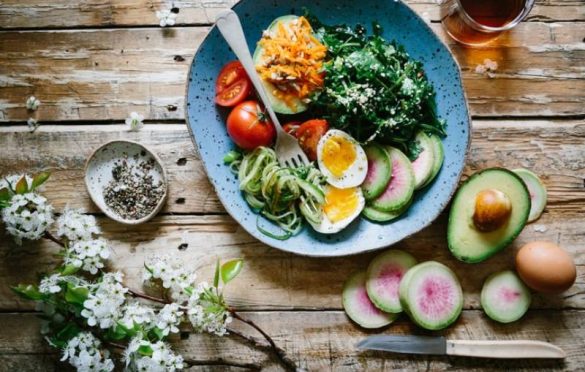
A balanced diet can include vegetables, fruits, whole grains, beans, lentils, nuts, seeds, and suitable sources of protein. Portion awareness can also help you recognise how much food satisfies your hunger.
Practical Portion-Control Tips
- Use a plate that helps you manage portions without making meals feel restrictive.
- Include vegetables and other fibre-rich foods to help you feel satisfied.
- Eat slowly and pay attention to hunger and fullness cues.
- Choose water or unsweetened drinks more often than sugary beverages.
- Plan meals and snacks ahead of time to reduce reliance on convenience foods.
- Enjoy occasional treats in moderation rather than treating foods as strictly forbidden.
Weight management is not simply about eating less. Food quality, physical activity, sleep, medications, genetics, and individual health circumstances can all affect body weight.
How Organic Food Fits Into Disease Prevention
Organic foods are produced under specific agricultural standards that restrict or regulate the use of certain synthetic pesticides, fertilisers, and other substances. Some people choose organic products to reduce exposure to particular agricultural chemicals or to support their preferred farming practices.
However, it is important to distinguish between differences in farming methods and proven health outcomes.
Some studies have found differences in the nutrient composition of organic and conventionally produced foods. For example, research has reported differences in certain fatty acids in organic milk. These findings do not establish that all organic foods contain more nutrients or that an organic diet prevents cancer, neurological diseases, or other chronic conditions.
Organic foods can be part of a healthy diet, but conventionally grown fruits, vegetables, grains, and other nutritious foods also provide valuable nutrients. Eating enough produce and maintaining a varied diet are generally more important than choosing organic products exclusively.
Tips for Choosing Nutritious Foods
- Eat a wide variety of fruits and vegetables.
- Choose whole grains more often than refined grains.
- Include beans, lentils, nuts, seeds, and other nutritious protein sources.
- Wash fresh produce under running water before eating or preparing it.
- Choose organic foods when they suit your preferences and budget, but do not avoid nutritious conventional produce because organic options are unavailable.
A healthy diet does not need to be expensive or entirely organic. Consistency and variety are practical starting points for better nutrition.
Reduce Harmful Exposures Without Relying on Detox Diets
Everyday life can expose people to substances that may affect health, depending on the substance, dose, and duration of exposure. These may include tobacco smoke, air pollution, certain workplace chemicals, and contaminants in food or water.
The body already has systems, particularly the liver and kidneys, that process and eliminate many waste products. There is little reliable evidence that special detox diets, juice cleanses, or restrictive food programmes remove unspecified toxins more effectively than normal bodily processes.
Instead of relying on detox claims, focus on habits that support general health:
- Eat a varied diet with sufficient fibre.
- Drink enough water to meet your needs.
- Limit alcohol and avoid smoking.
- Follow food-safety guidance when storing and preparing meals.
- Wash produce before consumption.
- Follow relevant advice about environmental and workplace exposures.
If you suspect exposure to a harmful substance, seek appropriate medical or public-health advice rather than attempting to treat it with a cleansing diet.
Good Nutrition Helps Support Heart Health
Heart disease is influenced by several factors, including blood pressure, cholesterol levels, smoking, physical activity, genetics, and dietary habits. A heart-conscious eating pattern can help manage some of these risks.
Consuming large amounts of saturated fat can raise LDL cholesterol in many people. Trans fats can also negatively affect cholesterol levels and cardiovascular risk. When possible, replace foods high in saturated fat with sources of unsaturated fats rather than simply adding more fat to your diet.
The American Heart Association recommends keeping saturated fat below 6% of daily calories for people who need to lower LDL cholesterol. Individual needs may vary, so follow advice from your healthcare professional.
Choose Heart-Friendly Protein Sources
Good options include:
- Fish: Salmon, sardines, and herring provide protein, and many oily fish are rich in omega-3 fatty acids.
- Beans and lentils: These provide plant protein, fibre, and several essential nutrients.
- Nuts and seeds: These supply unsaturated fats, fibre, and minerals.
- Lean poultry: Skinless poultry can be a useful source of protein.
- Lower-fat dairy products: Milk and yoghurt can provide protein and calcium.
- Eggs: Eggs provide protein and other nutrients and can fit into many balanced eating patterns.
Vegetables also contribute fibre, vitamins, and minerals. While most vegetables contain little protein compared with legumes or animal-based sources, they remain an important part of a heart-conscious diet.
Limit Foods That Can Affect Cardiovascular Health
Try to limit frequent consumption of processed meats, foods high in trans fats, excessive amounts of saturated fat, and products with high levels of sodium or added sugar.
You do not need to change every part of your diet at once. Small, consistent changes, such as replacing sugary drinks with water or adding beans and vegetables to meals, can help build healthier long-term habits.
How Meal Planning Can Make Healthy Eating Easier
Knowing which foods are nutritious is useful, but planning how to include them in everyday meals can make healthy eating more practical.
Preparing meals in advance, keeping convenient healthy ingredients available, and planning balanced snacks can reduce the temptation to rely on less nutritious options when you are busy.
For people with demanding schedules, a meal replacement product may occasionally offer convenience. However, meal replacements differ in their ingredients and nutritional completeness. Check the label and use them according to your needs rather than assuming every shake provides everything you need.
Meal Replacement Options
Meal replacement shakes and bars can be useful in some circumstances, but they are not automatically healthier than regular meals. Whole foods provide a range of nutrients, textures, and dietary variety that may be missing from some packaged products.
If you use meal replacements, consider their protein, fibre, vitamin and mineral content, added sugar, and calorie levels. People with medical conditions or special nutritional requirements may benefit from guidance from a registered dietitian.
Understanding Popular Diet Trends Before Trying Them
Many eating plans promise weight loss or improved health. Some may help people structure their meals, but results depend on the quality of the diet, individual circumstances, and whether the approach is sustainable.
The XXWWW Day Diet
If you encounter a plan promoted as the XXWWW Day Diet, examine its rules and claims carefully before following it. Short-term diets that promise dramatic weight loss may rely on severe calorie restriction or unrealistic expectations. A plan’s name alone does not establish that it is safe or effective.
Look for a balanced approach that provides adequate nutrients and can be maintained over time. If a diet excludes entire food groups or recommends supplements as essential, seek reliable evidence and professional guidance before committing to it.
OMAD: What to Know Before Starting
The OMAD diet, short for “one meal a day,” is a form of time-restricted eating in which a person consumes their daily food within one meal.
Although some people use this approach to manage their eating schedule, it can make it difficult to obtain enough calories, protein, fibre, vitamins, and minerals in a single sitting. It may also cause hunger, fatigue, or digestive discomfort in some people.
Starting Omad Heres Need is not suitable for everyone, particularly people who are pregnant or breastfeeding, those with a history of eating disorders, and some people with diabetes or other medical conditions. Consult a qualified healthcare professional before trying a restrictive eating pattern.
Is a CBD Keto Diet the Perfect Combination?
Some online discussions combine ketogenic diets with CBD products. The CBD Keto Diet Perfect Combination should be approached cautiously because evidence that combining the two produces additional weight-loss or health benefits is limited.
A ketogenic diet substantially reduces carbohydrate intake and may not suit everyone. CBD products also vary in quality, and CBD can interact with certain medicines. Before using CBD or adopting a restrictive diet, discuss the potential risks with a healthcare professional, especially if you take prescription medication or have an existing health condition.
Neither CBD nor ketosis is necessary for everyone seeking better health or weight management.
Vegetable Recipes for People Trying to Lose Weight
Adding more vegetables to your meals is a practical way to increase fibre and nutrient intake while creating satisfying meals. Explore vegetable recipes for weight loss that use ingredients such as leafy greens, carrots, broccoli, peppers, beans, and seasonal produce.
Try simple options such as:
- Vegetable and lentil soup.
- Roasted seasonal vegetables with herbs.
- Stir-fried vegetables with tofu or lean protein.
- Mixed vegetable salads with beans and a balanced dressing.
- Vegetable curries served with an appropriate portion of whole grains.
Cooking methods matter, too. Roasting, steaming, grilling, and lightly sautéing vegetables can help keep meals varied without relying on excessive amounts of added fat.
Tips for Launching a Keto Menu
If you are planning a Keto Menu Launch Tips Stand, focus on nutritional adequacy rather than simply reducing carbohydrates. A well-planned ketogenic eating pattern needs appropriate sources of protein, vegetables that fit the plan, healthy fats, and attention to fibre and micronutrients.
People with certain medical conditions, including some forms of diabetes or kidney disease, may need individual medical guidance before adopting a ketogenic diet. Anyone taking blood-glucose-lowering medication should speak with their healthcare professional before making major dietary changes.
For many people, a less restrictive eating pattern that includes vegetables, fruits, whole grains, legumes, and suitable protein sources may be easier to sustain.
Conclusion
Healthy eating is an important part of supporting long-term health and reducing the risk of several chronic diseases. A balanced diet can help with weight management, support cardiovascular health, and provide the nutrients needed for normal body function.
Choosing organic foods is a personal decision, but organic products are not required to eat healthily. Likewise, detox diets, restrictive meal plans, and popular supplement combinations should not be treated as shortcuts to better health.
Focus on varied, nutrient-rich foods, sensible portions, regular physical activity, adequate hydration, and sustainable habits. If you are considering a restrictive diet or have specific medical needs, seek guidance from a qualified healthcare professional or registered dietitian.