
How Modern Medical Technology Is Changing the Treatment of Varicose
Common Vein Conditions That Can Affect Mobility and Quality of Life
Published: November 23, 2026
Last Updated: November 23, 2026
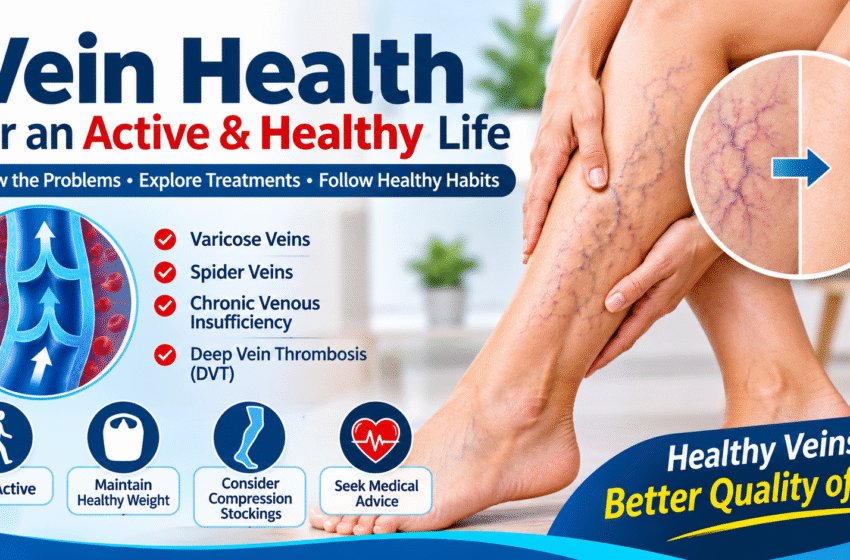
Vein health plays an important role in keeping the body active and comfortable. Veins carry blood back toward the heart, helping maintain healthy circulation throughout the body. When these blood vessels do not function properly, blood flow can become less efficient, leading to different vein-related conditions. Some problems may initially cause minor discomfort, but they can gradually affect mobility, daily routines, and overall quality of life.
Many people associate vein conditions with visible changes in their legs, such as twisted veins or small red and purple lines beneath the skin. However, these conditions can involve more than appearance. Symptoms such as swelling, heaviness, aching, and leg fatigue can make ordinary activities increasingly difficult.
These approaches are designed to address problematic veins while allowing blood to flow through healthier vessels. A proper evaluation is necessary to determine which option is suitable for each patient.
Those experiencing persistent symptoms can explore professional vein treatment options near Trenton to learn more about available care and approaches to managing vein-related conditions.
This article is part of
General Health & Conditions
Table of Contents
Understanding How Veins Work
Veins are responsible for returning blood from different parts of the body to the heart. Unlike arteries, which carry blood away from the heart, veins work against gravity when transporting blood from the legs.
Small one-way valves inside the veins help prevent blood from flowing backward. These valves open to allow blood to move upward and close to keep it from moving in the opposite direction.
When the valves become weak or damaged, blood may collect in the lower legs instead of circulating efficiently. This condition is known as venous insufficiency. Over time, increased pressure inside the veins can contribute to swelling, discomfort, skin changes, and other complications.
Several factors can increase the likelihood of developing vein problems, including age, family history, pregnancy, excess body weight, and spending long periods sitting or standing.
Varicose Veins and Their Impact on Daily Activities
Varicose veins are among the most recognizable vein conditions. They develop when weakened valves allow blood to accumulate inside the veins, causing them to become enlarged, twisted, and visible beneath the skin.
Although varicose veins commonly appear on the legs, their effects are not limited to appearance. Some individuals experience aching, throbbing, itching, swelling, and a heavy sensation in their legs.
These symptoms can become more noticeable after standing or sitting for extended periods. People who work in occupations that require long hours on their feet may find that discomfort interferes with their ability to complete everyday responsibilities.
In more advanced cases, untreated varicose veins may contribute to skin discoloration, inflammation, and venous ulcers. Seeking medical advice can help determine the severity of the condition and whether treatment is appropriate.
Chronic Venous Insufficiency
Chronic venous insufficiency occurs when the veins in the legs struggle to return blood effectively to the heart. It often develops because the valves inside the veins have become damaged or weakened.
As blood collects in the lower legs, pressure within the veins increases. This can lead to persistent swelling around the ankles, aching, leg heaviness, and changes in skin texture or color.
Some people initially mistake these symptoms for ordinary tiredness, especially after a long working day. However, when swelling and discomfort occur regularly, they may indicate an underlying circulation problem.
Chronic venous insufficiency can gradually affect mobility. Walking for extended periods, climbing stairs, and participating in physical activities may become uncomfortable. Early evaluation can help identify the underlying cause and prevent symptoms from progressing.
Spider Veins and Visible Circulation Changes
Spider veins are small, damaged blood vessels that appear close to the surface of the skin. They often look like thin red, blue, or purple lines forming web-like patterns.
Unlike larger varicose veins, spider veins generally do not cause significant physical discomfort. Many people seek treatment because of their appearance, particularly when they develop across the thighs, calves, or ankles.
However, visible spider veins can sometimes occur alongside other underlying vein problems. Anyone experiencing additional symptoms such as leg pain, swelling, or heaviness should consider a medical evaluation rather than assuming the issue is purely cosmetic.
A healthcare professional can assess the affected areas and recommend suitable options based on the individual’s condition and medical history.
Deep Vein Thrombosis: A More Serious Circulation Problem
Deep vein thrombosis, commonly known as DVT, occurs when a blood clot develops in a deep vein, usually in the leg. Unlike ordinary varicose or spider veins, this condition can become a medical emergency.
Common warning signs include swelling in one leg, unexplained pain or tenderness, warmth, and changes in skin color. However, some individuals may have few noticeable symptoms.
The greatest concern is that part of the clot can break away and travel through the bloodstream to the lungs, causing a pulmonary embolism. This can be life-threatening.
Sudden shortness of breath, chest pain, coughing up blood, or fainting may indicate a pulmonary embolism and require immediate emergency medical attention.
Recognizing these warning signs is important because early diagnosis and appropriate treatment can significantly reduce the risk of serious complications.
How Vein Conditions Affect Mobility and Quality of Life
Vein-related problems can influence different aspects of everyday life. Persistent discomfort may make people less willing to walk, exercise, or participate in activities they previously enjoyed.
For individuals who spend much of their day working, symptoms such as swelling and heaviness can reduce comfort and concentration. Even simple tasks, including shopping, household responsibilities, and climbing stairs, may become more challenging.
Sleep quality can also be affected. Some people experience nighttime leg cramps, aching, or discomfort that makes it difficult to rest properly.
Over time, reduced physical activity may contribute to additional health concerns. This is why understanding and managing vein conditions is important not only for circulation but also for maintaining an active lifestyle.
Recognizing When Professional Evaluation Is Necessary
Occasional leg fatigue after physical activity is common. However, persistent or recurring symptoms should not be ignored.
People should consider seeking medical advice if they experience frequent leg swelling, visible enlarged veins, ongoing aching, skin discoloration, itching, or wounds around the ankles that do not heal properly.
A healthcare professional may review the patient’s medical history, examine the affected areas, and recommend diagnostic testing. Duplex ultrasound is commonly used to evaluate blood flow and identify problems with vein valves or possible blood clots.
The results help determine the nature of the condition and guide decisions about appropriate treatment.
Modern Approaches to Vein Treatment
Treatment options depend on the type and severity of the vein condition. Some individuals may benefit from conservative approaches, while others require medical procedures.
Compression stockings are commonly recommended to improve circulation and reduce leg swelling. Regular walking, maintaining a healthy weight, and avoiding prolonged periods of sitting or standing can also support better vein health.
For people with symptomatic varicose veins, medical professionals may recommend minimally invasive procedures. These can include endovenous laser treatment, radiofrequency ablation, and sclerotherapy, depending on the condition being treated.
Everyday Habits That Support Better Vein Health
Healthy daily habits can play a useful role in supporting circulation and reducing discomfort associated with certain vein conditions.
Walking is one of the simplest ways to encourage healthy blood flow. The calf muscles contract during movement, helping push blood upward through the veins. Regular physical activity can therefore support circulation and general cardiovascular health.
People who spend long hours sitting may benefit from taking short movement breaks throughout the day. Those who stand for extended periods can also try changing positions regularly and avoiding remaining still for too long.
Elevating the legs when resting may help reduce swelling in some individuals. Maintaining a healthy body weight can also reduce unnecessary pressure on the veins.
Although these habits cannot reverse every vein condition, they can complement professional treatment and support long-term well-being.
Taking Vein Health Seriously
Vein conditions can develop gradually, making it easy to overlook early symptoms. What begins as occasional leg heaviness or visible veins may eventually develop into persistent discomfort that affects mobility and everyday activities.
Understanding the differences between varicose veins, chronic venous insufficiency, spider veins, and more serious conditions such as deep vein thrombosis helps people recognize when medical attention may be necessary.
With appropriate evaluation, lifestyle adjustments, and modern treatment options, many vein-related problems can be effectively managed. Paying attention to circulation and addressing recurring symptoms early can help people maintain greater comfort, mobility, and quality of life.