
The Link Between Long Hours of Sitting and Everyday Leg Discomfort
Last Updated: October 21, 2026
Modern life often requires us to spend hours sitting without giving it much thought. Office work, long commutes, online meetings, and evenings spent watching television can fill much of the day with very little movement. Although sitting is a normal part of life, remaining in the same position for extended periods can contribute to physical discomfort, particularly in the legs.
At first, the signs may seem insignificant. Your legs might feel heavy after work, your ankles may appear slightly swollen in the evening, or you may experience stiffness after getting up from your desk. These symptoms are easy to dismiss as the natural result of a busy day. However, when they occur regularly, it is worth paying attention to what your body may be telling you.
For individuals in Woodbridge Township, New Jersey, explore advanced vein treatment in Woodbridge to learn about evaluation and care options offered by Vein Specialist Centers.
The clinic evaluates varicose veins, spider veins, and other vein-related concerns. Depending on the symptoms and examination findings, a specialist may recommend a duplex ultrasound to assess blood flow and determine whether the vein valves are functioning properly.
Table of Contents
Why Sitting for Long Hours Affects the Body
The human body benefits from regular movement. Walking, stretching, standing, and changing positions activate muscles and support several processes involved in everyday health. When we sit for long periods, many of these muscles remain relatively inactive.
Consider a typical workday. You may sit through a morning meeting, eat lunch at your desk, spend the afternoon completing tasks, and then drive home before settling onto the sofa. Even if you exercise occasionally, long uninterrupted periods of sitting can still make your overall routine sedentary.
Prolonged inactivity can contribute to muscle stiffness and discomfort, while sedentary behaviour is also associated with broader health risks when it becomes a regular pattern. The effects vary from person to person, depending on factors such as general health, activity levels, age, and existing medical conditions.
The solution is not to avoid sitting completely. Instead, it is to create opportunities for movement throughout the day. Small adjustments, such as standing between tasks or taking short walks, can make an otherwise sedentary routine more active.
Understanding the Connection Between Sitting and Circulation
One important reason movement matters is its role in circulation. Arteries carry blood away from the heart, while veins return blood toward it. In the legs, veins must move blood upward against gravity, relying partly on one-way valves and the surrounding muscles.
The calf muscles act like a natural pump. When you walk, these muscles contract and help push blood through the veins toward the heart. When you remain seated for hours, the calf muscles are less active, reducing the regular assistance they provide to blood flow.
For some people, extended periods without movement may contribute to feelings of leg heaviness, discomfort, or swelling. Prolonged immobility can also increase the risk of blood clots in certain circumstances, especially during long journeys or when additional risk factors are present.
However, sitting does not automatically cause vein disease, and not everyone who works at a desk will develop circulation problems. The relationship depends on several factors, including individual health, genetics, mobility, and existing vein conditions.
Regular movement is a sensible way to reduce prolonged inactivity, but persistent symptoms still need to be assessed on their own merits.
How Long Sitting Can Contribute to Vein-Related Symptoms
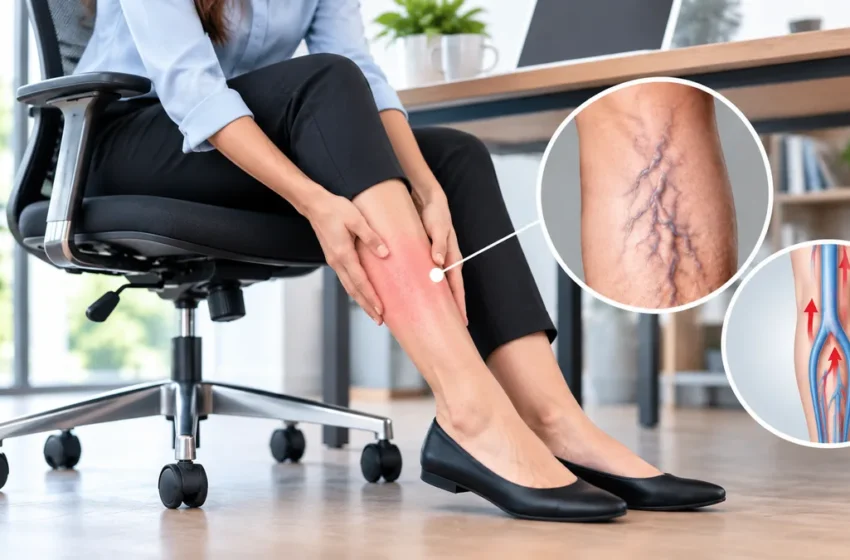
Varicose veins are enlarged, twisted veins that commonly appear beneath the skin of the legs. They develop when vein walls or one-way valves weaken, allowing blood to flow backward and collect in affected veins. This can increase pressure within the veins and lead to visible changes and physical discomfort.
Some people experience aching, itching, swelling around the ankles, nighttime cramps, or a heavy feeling in their legs. Symptoms may become more noticeable after long periods of sitting or standing and can sometimes improve with movement or leg elevation.
Chronic venous insufficiency is another condition involving difficulty returning blood from the legs toward the heart. Depending on its severity, it may cause persistent swelling, skin changes, or other complications.
Long hours of sitting may aggravate symptoms in people who already have vein problems, but it is rarely the only factor involved. Age, family history, pregnancy, previous blood clots, and other health considerations can influence a person’s risk.
It is also important to remember that leg discomfort has many possible causes. Muscle strain, joint conditions, nerve problems, and other circulation disorders can produce similar symptoms. A healthcare professional can help determine whether a vein condition is responsible.
The Everyday Signs You Should Not Ignore
Leg discomfort can develop gradually, making it difficult to recognize when an ordinary inconvenience becomes a recurring concern. You might initially notice tired legs after a long day or occasional swelling after sitting through several meetings.
Pay attention when these symptoms keep returning. Persistent aching, heaviness, ankle swelling, itching, or enlarged, twisted veins may indicate an underlying vein problem. Changes in the colour or texture of the skin around the lower legs can also deserve medical attention.
Notice whether the discomfort affects your ability to walk, exercise, sleep, or complete everyday tasks. Keeping track of when symptoms occur and whether they improve with movement can provide useful information during a medical appointment.
Do not assume that every symptom is caused by sitting. A professional assessment may include a physical examination and, when appropriate, a duplex ultrasound to evaluate blood flow and the function of the veins.
Sudden swelling in one leg, especially when accompanied by pain, warmth, or redness, requires urgent medical assessment because it may indicate a deep vein thrombosis. Sudden chest pain, difficulty breathing, fainting, or coughing up blood may signal a medical emergency and requires immediate emergency assistance.
Simple Ways to Move More During the Day
Reducing uninterrupted sitting does not require a complete change in your lifestyle. The most practical approach is to identify the longest periods when you remain still and introduce movement where it naturally fits.
If you work at a desk, stand up between meetings or take a short walk after completing a task. Setting a reminder can help if you tend to lose track of time while concentrating. You can also move your ankles and gently contract your calf muscles when standing up is not immediately possible.
For people who spend much of the day driving, planning safe stops during longer journeys creates opportunities to stretch and walk. At home, a short walk after dinner or a few minutes of gentle movement between screen-based activities can help break up sedentary time.
Regular physical activity is equally important. Walking, swimming, cycling, and other suitable exercises can support general cardiovascular health and strengthen the muscles involved in everyday movement.
Choose activities that suit your fitness level and medical circumstances. If you already have significant leg pain, swelling, or a condition that affects mobility, ask a healthcare professional which activities are appropriate.
The aim is not to replace every seated activity with exercise. It is to develop a balanced routine that includes both necessary rest and regular movement.
Other Habits That Support Leg Comfort
Movement is only one part of a broader approach to well-being. Balanced nutrition, adequate hydration, sufficient sleep, and maintaining a healthy weight when appropriate can all contribute to general health.
If your legs feel uncomfortable after a long day, taking a short break and elevating them may provide temporary relief in some circumstances. However, recurring swelling should not simply be managed with home remedies without understanding its cause.
Compression stockings may help some people manage vein-related symptoms, but they are not suitable for everyone. The appropriate level of compression depends on individual circumstances, so seek professional guidance before using them, particularly if you have a known circulation condition.
Consistency is more valuable than attempting an ambitious routine that becomes difficult to maintain. Short movement breaks, regular walks, and a willingness to respond to recurring symptoms can be realistic starting points for people with demanding work schedules.
Healthy habits can support circulation and general well-being, but they cannot repair damaged vein valves or eliminate every risk associated with prolonged inactivity.
When to Consider Professional Vein Care
If leg discomfort continues despite changes to your routine, professional evaluation can help establish whether an underlying condition needs attention. People with persistent aching, swelling, visible varicose veins, or skin changes may benefit from discussing their symptoms with a qualified healthcare provider.
Treatment depends on the diagnosis and individual needs. Some patients may benefit from conservative measures, while others may be candidates for minimally invasive options such as radiofrequency ablation, laser vein treatment, or sclerotherapy. These procedures work in different ways, and a specialist can explain their potential benefits, risks, and recovery expectations.
A consultation does not automatically mean that a procedure is necessary. Its purpose is to help identify the cause of the symptoms and explain appropriate next steps. Asking questions about treatment options and follow-up care can help you make an informed decision.
Conclusion: Make Movement Part of Your Daily Routine
Long hours of sitting have become a common feature of modern life, but the discomfort associated with prolonged inactivity should not be ignored. Regular movement, changes in position, and suitable physical activity can help reduce uninterrupted sedentary time and support general health.
At the same time, persistent leg heaviness, swelling, aching, or visible vein changes should not automatically be blamed on sitting. These symptoms may have several causes, including vein conditions that require professional evaluation.
Start with small changes that fit your schedule. Take short walking breaks, move your ankles during long periods of sitting, and make regular physical activity part of your routine. If symptoms continue or interfere with daily life, seek medical advice to understand what may be causing them.
A healthier routine does not require you to eliminate sitting altogether. It requires finding a better balance between rest and movement while recognizing when your body needs additional attention. By combining practical daily habits with timely healthcare, you can take a more informed approach to long-term leg health.