
Gestational diabetes food plan: What to Eat and a 3-Day Meal Plan
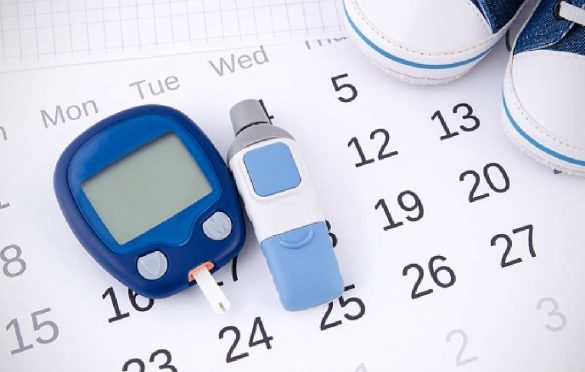
Gestational diabetes mellitus (GDM) is a condition in which blood sugar levels rise above normal for the first time during pregnancy, in women who did not have diabetes before becoming pregnant. Every year, 5% to 9% of U.S. pregnancies are affected by gestational diabetes, and it usually develops around the 24th week of pregnancy. Managing it effectively — particularly through diet — is critical not just for the health of the pregnancy, but for the long-term wellbeing of both mother and child.
Table of Contents
What Is Gestational Diabetes and Why Does It Happen?
Gestational diabetes happens when your body cannot make enough insulin during pregnancy. During pregnancy, your body makes more hormones and goes through other changes, such as weight gain. These changes cause your body’s cells to use insulin less well, a condition called insulin resistance. Insulin resistance increases your body’s need for insulin.
Gestational diabetes mellitus is caused by reduced pancreatic β-cell function, which means the pancreas cannot compensate for the increased insulin demand of pregnancy. When this happens, glucose accumulates in the bloodstream instead of being absorbed into the body’s cells.
Class A1 vs. Class A2 Gestational Diabetes
Gestational diabetes is classified into two types based on how it is managed. Women with Class A1 gestational diabetes can control their blood sugar through dietary changes and physical activity alone. Women with Class A2 require insulin or other medications in addition to dietary management because lifestyle changes alone are insufficient to maintain target glucose levels.
How Does Gestational Diabetes Affect Your Baby and Your Future Health?
When blood sugar is not well controlled during pregnancy, the consequences for both mother and baby can be serious.
When glucose levels are not well controlled during pregnancy, there is a higher chance of stillbirth, pre-eclampsia, too much amniotic fluid around the baby, and preterm delivery. At birth, the baby can have trouble breathing, low blood sugar, and jaundice. Having gestational diabetes also increases the chance of having large babies, some weighing over 10 pounds.
Gestational diabetes also increases babies’ risk of being born too large and developing obesity or type 2 diabetes in the future.
For the mother, the long-term risk is significant. A previous diagnosis of gestational diabetes carries a lifetime risk of progression to type 2 diabetes of up to 60%. Women with a history of GDM have an 8–10-fold higher risk of developing type 2 diabetes compared with women without a history of GDM, which is highest 3–6 years after a GDM pregnancy.
It is suggested that women who had gestational diabetes get tested for diabetes 6 to 12 weeks after their baby is born, and then every 1 to 3 years
How Diet Helps Manage Gestational Diabetes
The diet recommended for women with GDM should contain sufficient macronutrients and micronutrients to support the growth of the fetus and, at the same time, limit postprandial glucose excursions and encourage appropriate maternal gestational weight gain. Blood glucose excursions and hyperglycemic episodes depend on carbohydrate intake. Therefore, nutritional counseling should focus on the type, amount, and distribution of carbohydrates in the diet.
Medical nutrition therapy (MNT) is safer and more economical than drug therapy because of its natural nutrient sources and has become the first choice of GDM treatment.
Research comparing dietary approaches has found meaningful differences in outcomes. Both the DASH diet and low glycemic index diets reduced birth weight significantly, with the DASH diet also demonstrating effects in reducing macrosomia by 89% and lowering the cesarean section rate by 46%.
Dietary patterns consumed during pregnancy that are characterized by higher intakes of vegetables, fruits, legumes, nuts and seeds, whole grains, fish and seafood, and unsaturated fats, and lower intakes of red and processed meat, added sugars, and saturated fats are associated with reduced GDM risk.
Carbohydrate Targets: How Many Carbs Should You Eat Per Meal?
Carbohydrate management is the most critical dietary lever for controlling blood sugar in gestational diabetes. For most people with GDM, 30 to 45 grams of carbohydrates is the right amount per meal. Snacks should contain 15 to 30 grams of carbohydrates. A registered dietitian may adjust this based on individual needs and blood glucose control.
It has been suggested that breakfast should only contain small amounts of slowly absorbed carbohydrates, because there is usually a higher postprandial increase in blood glucose in the morning. Some guidelines recommend a maximum of 30 grams of carbohydrate at breakfast.
A daily meal frequency of three main meals and 2–3 small meals or snacks is recommended to avoid excessive food intake at the same time, more specifically to avoid large quantities of carbohydrate and thereby reduce postprandial blood glucose.
Best Foods to Eat with Gestational Diabetes
Lean Proteins
Lean proteins help you feel full and are essential building blocks for fetal growth. It is especially important to eat proteins at breakfast for more stable hunger levels throughout the day. Proteins can also help lessen morning sickness.
Recommended options include white-fleshed fish such as cod, haddock, pollock, and flounder; skinless poultry such as chicken or turkey breast; legumes including beans, peas, and lentils; lean beef cuts; pork loin; and low-fat dairy. Note that dried beans and lentils contain protein but must also be counted as carbohydrates when tracking your daily carbohydrate intake.
Non-Starchy Vegetables
Non-starchy vegetables provide important vitamins, minerals, and fiber, and can be considered near-freebie foods as they are very low in carbohydrates. The American Diabetes Association recommends using the diabetes plate method — filling half of a 9-inch plate with non-starchy vegetables, a quarter with lean protein, and a quarter with a carbohydrate such as a whole grain or starchy vegetable.
Good choices include broccoli, cauliflower, spinach, celery, cucumber, mushrooms, tomatoes, salad greens, and bell peppers.
Healthy Fats
Healthy fats from sources such as avocado, nuts, chia seeds, fatty fish, and extra virgin olive oil support satiety and are essential during pregnancy for the baby’s brain and eye development. In general, you should limit your intake of fatty foods high in saturated fat such as hamburger, cheese, bacon, and butter, but do not cut fats and oils from your diet entirely.
Complex Carbohydrates and Low Glycemic Index Foods
Low or medium glycemic index foods are better for women with gestational diabetes because they raise blood sugar levels more slowly. These include some fruits and vegetables such as berries, plums, broccoli, and peppers; pulses such as chickpeas and lentils; and wholegrain foods such as wholegrain bread and porridge oats.
A reasonable portion of starch per meal is about one cup of total starch, or two pieces of bread. Starch should be included in every meal, but the type and portion matter significantly. Preferred sources include brown rice, quinoa, sweet potatoes, whole wheat bread, buckwheat, and rolled oats.
Foods to Avoid or Limit with Gestational Diabetes
Avoiding foods that cause a spike in blood sugar levels is important for people with gestational diabetes. Examples include sugary foods, particularly refined or processed ones. People with gestational diabetes should avoid or limit foods with added sugar as much as possible.
Try to avoid simple carbohydrates such as white rice, potatoes, french fries, candy, soda, and other sweets because they cause your blood sugar to rise quickly after eating.
Do not drink fruit juice at breakfast or at any other time of the day. Fruit juice raises your blood glucose very quickly.
If you often choose low-fat foods, look more closely at the labels. Low-fat options sometimes contain more sugar than their full-fat versions.
Alcohol should be avoided entirely during pregnancy, as there is no known safe amount for a developing baby.
Meal Planning Principles for Gestational Diabetes
Distribute your foods between three meals and two or three snacks each day. Eating too much at one time can cause your blood sugar to rise too much. It is very important that you do not skip meals. During pregnancy, you have increased nutritional needs and your baby requires balanced nutrition.
It is important to eat regularly and avoid skipping meals. Start with a light breakfast and aim to have regular meals, with healthy snacks if you feel hungry in between. It is helpful to always carry healthy snacks with you, such as pieces of apple or pear.
Studies have shown that drinking water could help control blood sugar levels. Drink a large glass of water with every meal and more in between meals.
Sample 3-Day Gestational Diabetes Meal Plan
The following is a general framework aligned with clinical guidelines. All portions should be verified with a registered dietitian based on your individual carbohydrate targets.
Day 1
- Breakfast: Plain rolled oats (½ cup dry) with chia seeds and a small handful of blueberries — paired with a boiled egg for protein
- Morning Snack: Raw almonds (1/3 cup) with ½ cup mixed berries
- Lunch: Grilled salmon over mixed greens with olive oil and lemon dressing
- Afternoon Snack: Vegetable sticks (cucumber, peppers) with hummus (½ cup)
- Dinner: Turkey meatballs over zucchini noodles with tomato-based sauce
Day 2
- Breakfast: Scrambled eggs with spinach and one slice of whole wheat toast
- Morning Snack: One small apple with two tablespoons of almond butter
- Lunch: Quinoa salad with grilled chicken, cherry tomatoes, cucumber, and olive oil
- Afternoon Snack: Plain Greek yogurt (½ cup) with a few walnuts
- Dinner: Lentil soup with a side of steamed broccoli
Day 3
- Breakfast: Plain Greek yogurt (½ cup) with ½ cup blueberries and 1 tablespoon chia seeds
- Morning Snack: Celery sticks with natural peanut butter
- Lunch: Whole grain wrap with grilled chicken, avocado, lettuce, and tomato
- Afternoon Snack: Hard-boiled egg with a small handful of mixed nuts
- Dinner: Baked chicken breast with roasted non-starchy vegetables and a small serving of brown rice (½ cup cooked)
Monitoring Blood Sugar at Home
Self-monitoring blood glucose levels at home is important for a healthy pregnancy. Monitor your sugar four times a day — after fasting (or when you wake up before breakfast) and one to two hours after each meal. Keep a written log of your blood sugar levels and send it to your doctor every one to two weeks or as they recommend.
Long-Term Health After Gestational Diabetes
About half of women with gestational diabetes go on to develop type 2 diabetes. To reduce the risk, if you are overweight, set a weight loss goal of 5% of your starting weight. Make a nutrition plan for healthier eating and aim to engage in physical activity for at least 150 minutes per week.
It is suggested that women who had gestational diabetes get tested for diabetes 6 to 12 weeks after their baby is born, and then every 1 to 3 years.
Hospital Costs for Gestational Diabetes Care in India (2025–26)
Estimated costs across government, mid-range private, and premium hospitals · Prices vary by city and individual hospital
- Free or heavily subsidised GDM screening (DIPSI test)
- Free OGTT glucose testing at PHCs
- Normal delivery from ₹25,000
- C-section from ₹30,000–₹50,000
- Ayushman Bharat / JSY scheme coverage
- Dietitian consultation often free
- GDM screening + OGTT: ₹500–₹1,500
- Endocrinologist/OB consultations: ₹500–₹1,500/visit
- Normal delivery package: ₹60,000–₹1,00,000
- C-section package: ₹75,000–₹1,50,000
- Registered dietitian sessions: ₹300–₹800/session
- Blood glucose monitoring supplies included
- Comprehensive GDM management programs
- Dedicated maternal-fetal medicine specialists
- Normal delivery: ₹1,00,000–₹2,00,000
- C-section: ₹1,50,000–₹2,50,000
- Advanced NICU (Level II/III) if needed
- Private room, 24×7 specialist availability
- Dedicated diabetes educator + dietitian team
| Service / Procedure | Government Hospital | Private Mid-Range | Premium Hospital |
|---|---|---|---|
| GDM Screening (DIPSI / OGTT) | Free – ₹200 | ₹500–₹1,500 | ₹1,000–₹2,500 |
| OB / Gynecologist Consultation (per visit) | Free – ₹100 | ₹500–₹1,000 | ₹1,500–₹3,000 |
| Endocrinologist / Diabetologist (per visit) | Free – ₹200 | ₹800–₹1,500 | ₹2,000–₹4,000 |
| Dietitian / Nutritionist (per session) | Free | ₹300–₹800 | ₹800–₹2,000 |
| Level 2 Ultrasound / Anomaly Scan | Free – ₹500 | ₹2,000–₹4,000 | ₹3,500–₹6,000 |
| Blood Glucose Monitoring Supplies (monthly) | Subsidised / ₹200–₹500 | ₹500–₹1,500 | ₹1,000–₹2,500 |
| Medications (insulin, if Class A2 GDM) | Free / low cost | ₹1,500–₹5,000/month | ₹3,000–₹8,000/month |
| Normal Delivery Package (2–3 day stay) | ₹25,000–₹50,000 | ₹60,000–₹1,00,000 | ₹1,00,000–₹2,00,000 |
| Cesarean Section Package (4–5 day stay) | ₹30,000–₹60,000 | ₹75,000–₹1,50,000 | ₹1,50,000–₹2,50,000 |
| Post-Delivery Diabetes Check (6–12 wks) | Free – ₹300 | ₹500–₹1,200 | ₹1,000–₹2,500 |
Frequently Asked Questions
Does gestational diabetes go away after birth? For most women, gestational diabetes goes away soon after delivery. If it does not go away, it is called type 2 diabetes. About 50% of all women who had gestational diabetes develop type 2 diabetes later in life.
How many carbohydrates should I eat per meal with gestational diabetes? For most people with GDM, 30 to 45 grams of carbohydrates is the right amount per meal, with snacks containing 15 to 30 grams. A registered dietitian may adjust this based on individual needs and blood glucose control.
Can I eat fruit with gestational diabetes? Fruit is a healthy food but it is high in natural sugars. You may eat one to three portions of fruit per day, but only eat one at a time. A portion of fruit is either one very small piece of fruit, half of a large piece of fruit, or about one-half cup of mixed fruit. Do not eat fruit that has been canned in syrup.
Should I work with a dietitian? Yes. It is important to meet with a registered dietitian to have your diet assessed. The dietitian will calculate the amount of carbohydrates you need at meals and snacks and will also teach you how to count carbohydrates.