
How to Measure Heart Rate During Exercise Correctly
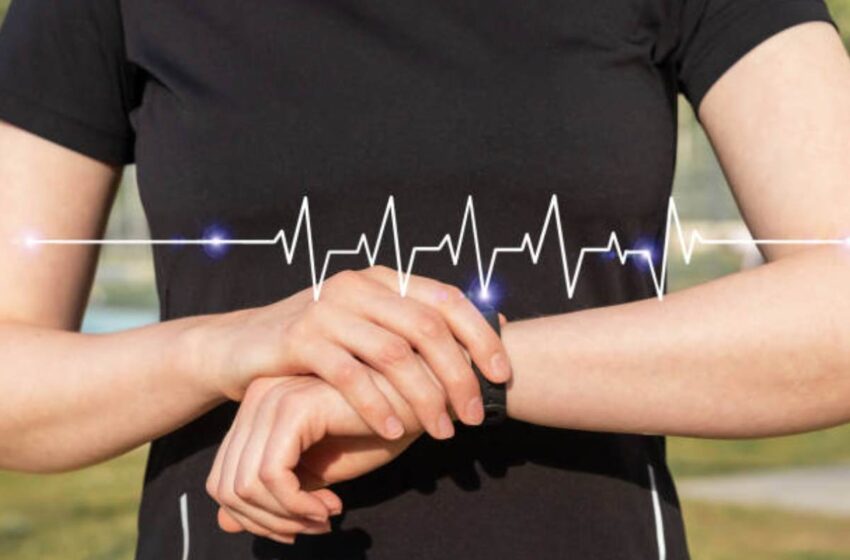
Monitoring your heart rate during exercise is one of the most effective ways to train smarter, improve performance, and reduce the risk of overtraining. Whether your goal is general fitness, endurance, fat loss or high-performance sport, understanding how your heart responds to exercise allows you to tailor intensity with confidence rather than guesswork.
However, measuring heart rate correctly matters just as much as measuring it at all; inaccurate readings can lead to training too hard, not hard enough, or misunderstanding your progress over time. Here are just a few of the most reliable ways to measure heart rate during exercise, common mistakes to avoid, and how to use your data effectively.
Table of Contents
Why Heart Rate Matters During Exercise
Your heart rate reflects how hard your cardiovascular system is working to supply oxygen to your muscles. As exercise intensity increases, so does your heart rate. Tracking this response helps you:
- Train within specific heart rate zones
- Improve aerobic efficiency and endurance
- Avoid excessive fatigue and burnout
- Measure fitness improvements over time
- Support safer training, particularly for beginners or those returning from injury
Many athletes and everyday exercisers now rely on accurate heart rate monitors to remove the guesswork and ensure their training data is reliable from session to session.
Understanding Heart Rate Zones
Heart rate zones are typically calculated as a percentage of your maximum heart rate (MHR). While formulas like “220 minus age” provide a rough estimate, individual variation can be significant. For best accuracy, a professionally assessed maximum heart rate or lactate threshold test is ideal.
In general terms:
- Zone 1 (Very light): Recovery and warm-ups
- Zone 2 (Light): Aerobic base and endurance
- Zone 3 (Moderate): Tempo and cardiovascular fitness
- Zone 4 (Hard): Threshold and performance gains
- Zone 5 (Very hard): Maximal effort and speed work
Accurate measurement ensures you are actually training in the zone you intend, rather than drifting higher or lower without realising.
Methods for Measuring Heart Rate During Exercise
Chest Strap Heart Rate Monitors
Chest straps are widely considered the gold standard for heart rate measurement during exercise. They sit close to the heart and detect electrical signals from each heartbeat, providing highly responsive and consistent data.
Best for:
- High-intensity training
- Interval workouts
- Cycling, running, rowing and strength training
Key tip: Ensure the strap is snug and slightly dampened before starting to improve signal quality.
Wrist-Based Heart Rate Monitors
Wrist-based monitors, including smartwatches and fitness trackers, use optical sensors to detect blood flow changes. They are convenient and comfortable but can be less accurate during rapid arm movement or high-intensity exercise.
Best for:
- Steady-state cardio
- Walking, jogging and general fitness
- Everyday activity tracking
Key tip: Wear the device slightly higher on the wrist and tighten it securely without restricting circulation.
Manual Pulse Checks
Manually checking your pulse involves counting beats at the wrist or neck for a set period (usually 10-15 seconds) and multiplying accordingly.
Best for:
- Post-exercise checks
- Situations without technology
Limitations: This method is difficult to perform accurately during exercise and is prone to error, particularly when heart rate is elevated.
Some Common Mistakes That Can Affect Accuracy
Even with good equipment, inaccurate readings can still occur. Common issues include:
- Wearing monitors too loosely
- Dry sensors or poor skin contact
- Relying on estimated maximum heart rate without adjustment
- Ignoring signal dropouts during high-intensity movement
- Comparing data across different devices without consistency
Using the same device, fitted correctly, and reviewing trends over time will always provide more meaningful insights than isolated numbers.
When to Measure Heart Rate During Your Workout
For the most useful data, heart rate should be monitored at multiple points:
- Resting heart rate: Measured first thing in the morning to track recovery and fitness trends
- During exercise: To maintain your target intensity
- Post-exercise: To assess how quickly your heart rate recovers
A faster drop in heart rate after exercise generally indicates improving cardiovascular fitness.
Using Heart Rate Data Effectively
Heart rate data is most powerful when used as a guide rather than an absolute rule. Factors such as heat, hydration, stress, sleep and altitude can all influence readings on any given day. Instead of chasing exact numbers:
- Focus on ranges rather than single values
- Look for patterns and long-term improvements
- Combine heart rate data with perceived exertion and performance outcomes
This balanced approach leads to more sustainable training and better results over time.
Measuring heart rate during exercise is a practical, evidence-based way to train with intention and clarity
By choosing the right method, fitting your device correctly, and understanding how to interpret the data, you can ensure every session serves a purpose. When accuracy matters, investing time in proper setup and reliable equipment pays dividends in performance, recovery and long-term health.